You Won’t Believe What I Found Hiking Deep in Yosemite
Yosemite National Park is more than just postcard views—it’s a place where nature still feels wild and untouched. I went searching for something beyond the crowded overlooks and found hidden valleys, silent groves, and waterfalls that few have seen. What makes these spots so special isn’t just their beauty, but the feeling of discovery they bring. If you’ve ever wanted to step off the beaten path and into the heart of the wilderness, this journey is for you.
The Allure of Yosemite Beyond the Brochure
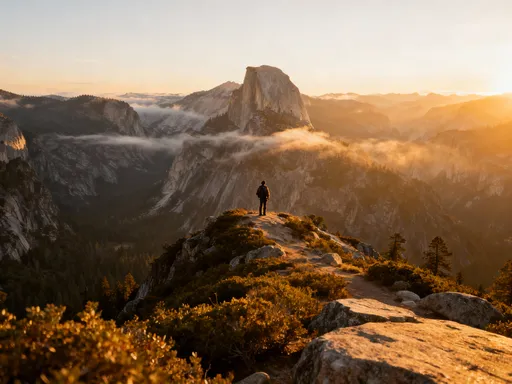
Yosemite is world-renowned for its dramatic granite cliffs, towering waterfalls, and ancient giant sequoias. Places like Half Dome, El Capitan, and Yosemite Falls draw millions each year, and for good reason—these landmarks are awe-inspiring, natural masterpieces carved over millennia. The sheer scale of the valley, with its vertical rock faces rising thousands of feet, leaves visitors speechless. Yet, for all its fame, most travelers experience only a fraction of what the park truly offers. The majority stick to well-marked trails, shuttle stops, and popular photo points, often unaware that just a few miles off the main routes lie landscapes of equal, if not greater, majesty.
The reasons for this surface-level exploration are understandable. Many visitors have limited time, relying on day trips or guided tours that prioritize efficiency over depth. Others are unprepared for the physical demands of backcountry hiking or lack the information needed to venture beyond the park’s central hubs. As a result, iconic locations become congested, especially during peak seasons. Crowds gather at Tunnel View for the classic panorama, and lines form at trailheads leading to Mist Trail and Vernal Fall. While these experiences are undeniably powerful, they often come with a sense of shared spectacle rather than personal connection.
My own motivation for going deeper began with a simple question: what lies beyond the postcard? I wanted to experience Yosemite not as a tourist ticking off landmarks, but as a quiet observer of its wilder soul. I sought moments of solitude, where the only sounds were the wind through the pines and the distant rush of water. I longed to see the park not as a curated exhibit, but as a living, breathing wilderness—one that rewards patience, preparation, and a willingness to wander. That curiosity led me to trails less traveled, where the landscape revealed its quieter, more intimate wonders.
Choosing the Right Path: How to Find True Hidden Gems
One of the most important lessons I learned is that scenic beauty in Yosemite is not confined to the places labeled on maps or promoted in brochures. While the main attractions are undeniably spectacular, some of the most moving experiences occur in locations that don’t have names on trail signs. The key to finding these spots lies in understanding what makes a place truly special—not just visual grandeur, but a sense of presence, peace, and authenticity. Solitude, natural integrity, and a feeling of discovery are often more valuable than panoramic views.
When planning a journey into Yosemite’s quieter corners, several criteria help guide responsible and rewarding choices. First, consider solitude. Trails that require moderate effort—such as a steady climb or a longer approach—naturally filter out casual visitors. These paths often lead to meadows, streams, or overlooks where you may not see another soul for hours. Second, prioritize natural integrity. Look for areas where the ecosystem remains undisturbed, where vegetation grows thick and wildlife moves freely. Avoid places showing signs of overuse, such as eroded soil, trampled vegetation, or litter.
Accessibility is another crucial factor. The best hidden gems are those reachable with preparation but not extreme technical skill. Many rewarding destinations lie within day-hike distance from trailheads like Glacier Point, Tuolumne Meadows, or the trail to Hetch Hetchy. These routes offer a balance between effort and reward, allowing hikers of moderate fitness to experience remote beauty without requiring mountaineering gear or multi-day backpacking.
Equally important is preparation. Yosemite’s backcountry is not a playground; it demands respect and knowledge. Permits are required for overnight trips, and some areas are restricted to protect fragile habitats. Understanding park regulations, checking trail conditions, and studying topographic maps are essential steps. The National Park Service provides detailed resources, including trail difficulty ratings and seasonal advisories, to help visitors make informed decisions. By planning thoughtfully, you not only ensure your safety but also contribute to the preservation of these special places.
Discovering the Valley’s Quiet Corners
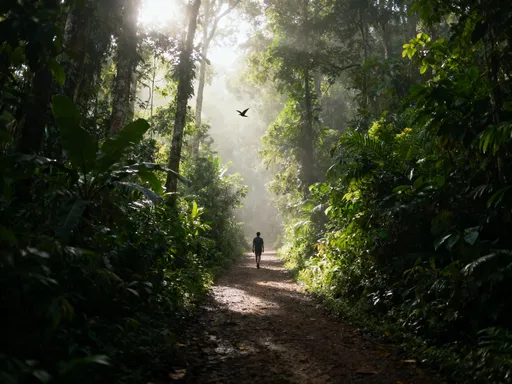
While much attention is given to Yosemite Valley’s major landmarks, some of its most enchanting moments occur in overlooked pockets just off the main trails. One morning, before the first shuttle arrived, I followed a faint footpath from the Merced River toward a secluded meadow rarely marked on visitor maps. The air was cool and still, carrying the faint scent of damp earth and pine. Cottonwood leaves rustled softly in the breeze, and a thin mist clung to the base of the cliffs, slowly lifting as the sun rose. There, in a grassy clearing bordered by wildflowers, I sat in silence, watching the first light gild the edge of a distant granite face.
What made this place unforgettable was not its scale, but its intimacy. Unlike the crowded overlooks where people snap photos and move on, this meadow invited stillness. The only footprints in the soft soil were those of deer and birds. A small side waterfall, invisible from the main trail, trickled down a moss-covered rock, its mist cooling the air. I could hear the river’s gentle current, the chirp of a solitary robin, and the occasional crack of a falling pinecone. In that moment, the valley felt not like a destination, but like a living presence—something to be felt as much as seen.
These quiet corners offer a different kind of connection with nature. They remind us that beauty does not always announce itself with thunderous waterfalls or towering cliffs. Sometimes, it reveals itself in the way sunlight filters through leaves, or how a breeze carries the scent of wild mint. For families, couples, or solo travelers seeking a deeper experience, such places provide a chance to slow down, breathe, and truly absorb the landscape. They are not found by following crowds, but by listening—to the land, to the silence, and to one’s own sense of curiosity.
Venturing into the High Country: Tuolumne Meadows and Beyond
Leaving the lush, forested depths of Yosemite Valley, the landscape transforms as you ascend into the high country. Around 8,600 feet above sea level, Tuolumne Meadows unfolds like a vast, open canvas of grasslands, dotted with clusters of lodgepole pines and crossed by meandering streams. The air is thinner, crisper, and carries a different quality of light—one that makes colors appear more vivid, shadows sharper. This subalpine ecosystem supports a unique array of plant and animal life, from delicate alpine wildflowers to marmots sunning themselves on warm rocks.
From Tuolumne, I set out on a day hike toward a pristine alpine lake nestled between granite domes, a destination known more among backpackers than casual visitors. The trail wound through meadows alive with lupine and paintbrush, crossed snowmelt-fed creeks on sturdy logs, and climbed gradually over smooth rock slabs. As I gained elevation, the views expanded—not of a single iconic peak, but of an entire wilderness stretching in every direction. The sense of space was overwhelming, a reminder of how small we are in the face of such enduring geology.
When I finally reached the lake, it was as if time had paused. The water, clear and cold, reflected the surrounding cliffs with mirror-like precision. No voices broke the silence; no footprints marred the shoreline. Sitting on a sun-warmed boulder, I ate a simple lunch and watched a pair of Clark’s nutcrackers flit between trees. The altitude brought a sense of clarity—both physical and mental. Away from the noise of daily life, from schedules and screens, the mind begins to settle. The high country does not dazzle with drama alone; it invites reflection, offering a rare gift: the peace of true solitude.
The Giant Sequoia Groves: More Than Just Tourist Stops
Most visitors to Yosemite associate giant sequoias with Mariposa Grove, the park’s largest and most accessible collection of these ancient trees. While Mariposa is undeniably impressive, its main trails can become crowded, especially in summer. For a more contemplative experience, I sought out quieter groves, such as the Nelder Grove near the park’s southern boundary or a smaller, unnamed cluster accessible via a backcountry trail. These locations, though less famous, offer an even deeper sense of awe.
Standing among giant sequoias is a humbling experience. Some of these trees are over 2,000 years old, having witnessed centuries of change while remaining rooted in the same soil. Their massive trunks, rising like pillars into the sky, seem almost otherworldly. The air beneath them is cooler, quieter, as if the trees themselves command reverence. The scent of cinnamon-red bark, the softness of the forest floor, and the dappled light filtering through the canopy create a sanctuary-like atmosphere.
Visiting these groves responsibly is essential. The roots of giant sequoias are shallow and sensitive, easily damaged by foot traffic or compaction. Staying on designated trails, avoiding climbing on roots, and minimizing noise help protect these ancient beings. It’s also important to remember that these trees are not attractions to be conquered, but living monuments to time and resilience. Taking a moment to sit quietly, to place a hand on the bark and feel its deep furrows, fosters a connection that no photograph can capture.
Sunrise, Fog, and Waterfalls: Timing as a Secret Tool
One of the most transformative lessons I learned in Yosemite is that timing can completely alter an experience. The same landscape can appear dramatically different at dawn, midday, or dusk. Weather, light, and atmospheric conditions play a powerful role in shaping what we see—and how we feel. One morning, I woke before 4 a.m. to hike to Bridalveil Fall, not for the waterfall itself, but for a rare phenomenon: the morning fog rolling through the valley like a slow-moving river. As the first light broke over the rim, the mist began to glow, wrapping the cliffs in a soft, golden haze.
That moment, fleeting and unrepeatable, was more moving than any postcard view. The usual roar of the waterfall was muffled, and the world felt suspended in stillness. Photographers often chase the famous ‘firefall’ at Horsetail Fall in February, but similar magic happens daily for those willing to rise early or stay late. El Capitan, often seen as a stark monolith, takes on a warm, rosy hue at sunrise. Yosemite Falls, viewed in late afternoon light, sparkles like liquid silver.
Understanding seasonal patterns enhances the experience further. Spring brings peak waterfall flow, fed by snowmelt. Summer offers long days and wildflower blooms. Fall brings golden light and fewer crowds. Winter, though colder, transforms the valley into a quiet, snow-draped wonderland, where frozen spray from the falls creates delicate ice formations. By aligning visits with natural rhythms, travelers gain not just better views, but a deeper appreciation for the park’s ever-changing character.
Leaving No Trace: Preserving the Magic for Others
With the privilege of exploring Yosemite’s hidden places comes the responsibility to protect them. The principle of Leave No Trace is not just a guideline—it’s a commitment to future generations. Every decision, from where you step to what you carry in and out, affects the landscape. Packing out all trash, including food scraps and biodegradable items, is fundamental. Even apple cores can introduce non-native seeds or attract wildlife to human areas.
Avoiding shortcuts is equally important. Social trails—unofficial paths created by repeated foot traffic—can lead to soil erosion and damage to plant life. Staying on marked trails, even when they seem longer, helps preserve the natural terrain. When camping, using established sites and following fire regulations prevents long-term impact. Respecting wildlife means observing from a distance, never feeding animals, and storing food securely.
There is also a delicate balance between sharing discoveries and protecting fragile places. While it’s natural to want to tell others about a breathtaking meadow or a quiet lake, oversharing can lead to overcrowding and degradation. Instead of posting exact locations on social media, many experienced hikers choose to speak generally about experiences, encouraging others to explore thoughtfully rather than chase checklists. True discovery is not about claiming a spot as your own, but about caring for it as a shared treasure.
The most meaningful adventures are those that leave no mark but a memory. When we hike with reverence, we honor not just the land, but the spirit of exploration itself. Yosemite does not belong to any one person—it belongs to all who visit with humility and respect.
Yosemite’s true beauty lies not just in its grand vistas, but in the quiet moments of connection found off the beaten path. By choosing thoughtful exploration over checklist tourism, we preserve both the land and the spirit of adventure. The park invites not just visitation, but reverence—each hidden glade, each silent grove a reminder that wonder still exists, if we’re willing to look a little deeper.