You Won’t Believe These Hidden Natural Wonders in Colón, Panama
I’ll admit—I didn’t expect much from Colón, Panama. Everyone talks about Bocas del Toro or Panama City, but Colón? I went on a whim and was completely blown away. Lush rainforests, untouched coastlines, and wildlife around every corner—this place is a secret gem. If you love raw, unfiltered nature and want to escape the crowds, Colón might just be your next must-visit. Let me show you why.
Reimagining Colón: Beyond the Urban Reputation
For many travelers, the name Colón evokes images of shipping containers, bustling docks, or the well-trodden paths of the Colón Free Zone. It’s often dismissed as a transit point rather than a destination in its own right. Yet just beyond the urban edges lies a surprisingly rich and biodiverse region that remains largely unexplored by international tourists. This overlooked province, located on the northern Atlantic coast of Panama, is where tropical rainforests meet winding rivers and coastal wetlands, creating a mosaic of ecosystems that support an extraordinary range of plant and animal life.
Geographically, Colón sits at a critical ecological and hydrological junction. The Chagres River, which feeds into the Panama Canal, flows through the heart of the province, sustaining vast tracts of lowland jungle. This area forms part of the Mesoamerican Biological Corridor, a continental-scale network of protected zones that allows species to migrate and thrive across Central America. Because of its location, Colón plays a quiet but essential role in regional conservation. While it may lack the polished tourism infrastructure of more popular destinations, that very absence is part of its appeal—offering visitors a chance to experience nature before it becomes overly curated or commercialized.
What makes Colón especially compelling is the contrast between its industrial reputation and its natural reality. While the city of Colón has faced economic challenges and urban decay, the surrounding countryside tells a different story—one of resilience and regeneration. Forests that were once selectively logged are now rebounding, supported by both natural regrowth and reforestation efforts. The region’s relative inaccessibility has, in some ways, protected it from overdevelopment, preserving pockets of wilderness that feel truly remote despite being within an hour’s drive from Panama City. This duality—of urban struggle and ecological abundance—invites travelers to look deeper, to move past assumptions, and to discover a Panama that exists beyond the postcard images.
Moreover, Colón’s climate and rainfall patterns contribute to its lushness. With an average annual rainfall exceeding 3,000 millimeters in some areas, the province sustains dense tropical moist forests that are home to towering ceiba trees, epiphytic orchids, and a complex web of interdependent species. These forests are not just scenic backdrops; they are functioning ecosystems that regulate water flow, prevent erosion, and sequester carbon. For environmentally conscious travelers, visiting Colón offers more than scenic rewards—it provides a firsthand look at how nature and human systems can coexist, even in areas with complex histories.
Soberanía National Park: Where Adventure Meets Biodiversity
At the heart of Colón’s natural appeal lies Soberanía National Park, a 21,000-hectare sanctuary that stretches along the western bank of the Panama Canal. Established in 1980, the park was created to protect the watershed that supplies the canal with fresh water, but it has since become renowned for something else entirely: its staggering biodiversity. Scientists estimate that over 1,000 species of vascular plants, more than 500 species of birds, and hundreds of mammal, reptile, and amphibian species inhabit this relatively compact area. For nature lovers, this density of life is nothing short of extraordinary.
One of the park’s most famous attractions is Pipeline Road, or Camino del Oleoducto, a former U.S. military access route that cuts through the forest. Today, it is celebrated as one of the best birdwatching trails in the world. In a single morning, experienced birders can spot over 300 species, including iconic birds like the keel-billed toucan, the blue-crowned motmot, and the resplendent quetzal during seasonal migrations. The road’s straight, level path makes it accessible to casual hikers, while its elevation changes and side trails offer more challenging routes for those seeking deeper immersion. Along the way, it’s common to hear the haunting call of howler monkeys before seeing them swing through the canopy, or to spot a sloth moving slowly among the branches, perfectly camouflaged against the bark.
Beyond birdwatching, the park offers a range of trails suited to different interests and fitness levels. The Las Cruces Trail, for example, is a scenic 15-kilometer path that connects Soberanía to the town of Gamboa. It passes through primary forest, crosses small streams via wooden bridges, and offers interpretive signs that explain the ecological significance of the flora and fauna. For families or first-time visitors, the shorter Sendero El Charco trail provides an easy introduction to the rainforest, featuring a refreshing natural pool at its endpoint where children can safely wade in cool, clear water.
Visitors are encouraged to come prepared. Lightweight, quick-drying clothing, closed-toe hiking shoes, and insect repellent are essential. Binoculars and a field guide enhance the experience, especially for bird enthusiasts. While the park is safe and well-maintained, it is advisable to hike with a guide, particularly for longer trails. Local guides not only improve the chances of wildlife sightings but also provide context about plant uses, animal behaviors, and conservation efforts. Many are trained through community-based ecotourism programs, ensuring that tourism dollars directly benefit nearby villages.
The Charm of Gamboa: Gateway to the Rainforest
Nestled at the confluence of the Chagres River and the Panama Canal, the small town of Gamboa serves as a quiet but vital hub for rainforest exploration. Once a U.S. administrative center during the canal’s operation, Gamboa has transformed into an eco-tourism destination that blends comfort with authenticity. Its location makes it an ideal base for visiting Soberanía National Park, but the town itself offers unique experiences that bring the jungle to life in intimate and memorable ways.
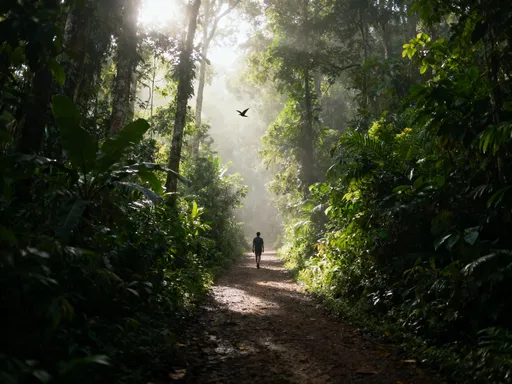
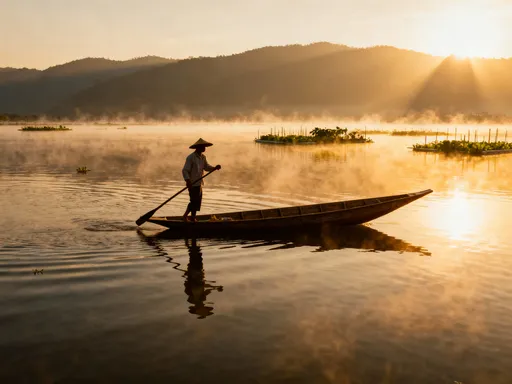
One of the most popular activities in Gamboa is the early morning boat tour along the Chagres River. As the mist rises from the water, the forest awakens—howler monkeys begin their deep, guttural calls, parrots take flight in noisy flocks, and caimans can sometimes be seen basking on muddy banks. These tours are typically led by local captains who know the river’s bends and hidden inlets, allowing visitors to glide silently beneath overhanging trees and spot animals that might be missed on land. The reflections of the jungle on the calm water create a dreamlike atmosphere, making it a favorite among photographers and nature lovers alike.
For those interested in scientific discovery, the Smithsonian Tropical Research Institute (STRI) has a research station in Gamboa that occasionally opens its doors to the public through guided tours. These visits offer a rare glimpse into ongoing ecological studies, from ant behavior to tree physiology. Guests can walk the Canopy Crane trail, where a retired construction crane now serves as an observation platform, lifting visitors 54 meters above the forest floor to view the canopy layer—an ecosystem that remains largely out of reach for most people. Learning about the research being conducted here adds depth to the experience, reminding visitors that this rainforest is not just a scenic backdrop but a living laboratory.
Accommodations in Gamboa range from eco-lodges to boutique hotels, many of which emphasize sustainability. Some properties feature solar power, rainwater harvesting, and locally sourced meals. Dining often includes fresh tropical fruits like guava, starfruit, and mango, as well as river fish prepared in traditional Panamanian styles. The pace of life is slow and deliberate, encouraging guests to unplug and reconnect with nature. Evening activities, such as guided night walks, reveal a different side of the forest—tree frogs glowing under UV lights, tarantulas emerging from burrows, and the soft rustle of opossums foraging in the leaf litter. These experiences are not staged or exaggerated; they unfold naturally, offering a sense of wonder that feels genuine and unscripted.
Coastal Escapes: Beaches and Wetlands Off the Beaten Path
While Colón may not be known for white-sand Caribbean beaches, it offers coastal experiences that are wilder, quieter, and ecologically richer. Along the shores of the Chagres River and near the mouth of the Atlantic, extensive mangrove forests and tidal mudflats create vital habitats for fish, crustaceans, and migratory birds. These wetlands are not only beautiful but functionally essential—they filter pollutants, buffer storm surges, and serve as nurseries for marine life. For travelers interested in responsible ecotourism, exploring these areas by kayak or guided boat tour provides a unique perspective on Panama’s less-celebrated coastal ecosystems.
One notable destination is the Chagres National Park, which protects both riverine and coastal zones. Here, visitors can paddle through narrow mangrove channels, where red, black, and white mangroves form dense thickets above tangled root systems. The silence is broken only by the splash of a jumping mullet or the call of a kingfisher. Knowledgeable guides explain how these trees survive in salty water, how their roots stabilize the coastline, and why their preservation is critical for both marine health and climate resilience. Some tours include stops at small fishing communities where families have lived for generations, offering a chance to learn about traditional livelihoods and sustainable harvesting practices.
In certain areas, indigenous Emberá communities offer cultural eco-tours that combine environmental education with heritage. These visits are conducted with respect and mutual agreement, ensuring that tourism supports rather than disrupts local life. Guests may learn about medicinal plants, traditional basket weaving, or the significance of forest spirits in Emberá cosmology. Meals are often shared, featuring plantains, cassava, and grilled fish cooked over open fires. These experiences are not performances; they are authentic exchanges that foster understanding and appreciation. By choosing such tours, visitors contribute directly to community income while gaining insights that go far beyond typical tourist encounters.
Because these wetlands are fragile, responsible behavior is crucial. Travelers are advised to avoid littering, refrain from touching wildlife, and follow guide instructions carefully. Motorized boats are restricted in sensitive zones, and kayaking is encouraged as a low-impact alternative. Some areas are designated as protected Ramsar sites, recognizing their international importance for biodiversity. Awareness of these designations helps visitors understand the broader significance of what they are seeing—not just a scenic landscape, but a globally valued ecosystem.
Why Colón’s Nature Stands Out in Panama’s Travel Scene
In a country celebrated for its ecological richness, Colón distinguishes itself through authenticity and accessibility. Unlike more commercialized destinations such as Boquete or San Blas, where tourism infrastructure is well-developed, Colón remains relatively untouched. This lack of mass tourism means fewer crowds, quieter trails, and a greater likelihood of unscripted wildlife encounters. According to data from Panama’s National Authority for Tourism, visitor numbers to Colón’s natural areas are significantly lower than those to more famous parks, allowing for a more intimate and immersive experience.
Another factor that sets Colón apart is the influence of the Panama Canal. The canal’s operation requires strict watershed protection, which has led to long-term conservation of forests and rivers. This unintended benefit means that large swaths of land have been preserved not for tourism, but for functionality—ensuring a steady supply of fresh water. As a result, the ecosystems in Colón are not just scenic; they are actively managed and monitored, contributing to their resilience. This blend of ecological and infrastructural importance makes the region unique within Panama’s travel landscape.
Furthermore, Colón offers a rare combination of proximity and seclusion. Located just 45 minutes from Panama City by car, it is easily reachable for day trips or weekend getaways, yet feels worlds away from urban life. This makes it an ideal destination for families, retirees, or anyone seeking a quick nature escape without the hassle of long flights or complex logistics. The presence of bilingual guides, basic medical facilities, and reliable transportation networks ensures safety and comfort, while the absence of large resorts preserves the sense of adventure.
For environmentally aware travelers, Colón represents a model of low-impact tourism. Because development is still in its early stages, there is an opportunity to shape tourism practices around sustainability from the outset. Local cooperatives, conservation NGOs, and government agencies are already working together to promote eco-certification, waste reduction, and community-based tourism. This collaborative approach ensures that growth benefits both nature and people, creating a balanced future where tourism supports, rather than threatens, the very resources it depends on.
Practical Tips for Exploring Colón’s Natural Areas
Reaching Colón’s natural wonders is simpler than many assume. From Panama City, the drive to Soberanía National Park or Gamboa takes approximately 45 minutes via the Pan-American Highway and the Albrook–Gamboa road. Public buses and shared shuttles are available for budget-conscious travelers, though renting a car offers greater flexibility, especially for visiting remote sites. For those arriving internationally, Tocumen International Airport has car rental services and tour operators that provide guided transfers.
The best time to visit is during the dry season, which typically runs from mid-December to April. During these months, trails are less muddy, wildlife is more visible near water sources, and rainfall is minimal. However, the green season (May to November) has its own appeal—lush vegetation, fewer tourists, and dramatic afternoon showers that rarely last long. Travelers should pack accordingly: lightweight, moisture-wicking clothing, a waterproof jacket, and sturdy hiking boots are essential. A wide-brimmed hat, sunscreen, and reusable water bottle help with sun protection, while a headlamp is useful for early departures or night walks.
Safety in Colón’s natural areas is generally good, especially when visiting official parks and guided tours. It is advisable to stay on marked trails, avoid swimming in strong currents, and be cautious around wildlife. While encounters with snakes or insects are rare, carrying a basic first-aid kit and knowing emergency contacts is prudent. Most lodges and visitor centers have communication devices and can summon help if needed.
To minimize environmental impact, travelers should follow Leave No Trace principles: pack out all trash, avoid feeding animals, and respect signage in protected zones. Hiring local guides not only enhances the experience but ensures that tourism revenue stays within the community. Many guides are certified through national training programs and are passionate about sharing their knowledge. Additionally, supporting eco-lodges, community-run tours, and local artisans helps build a sustainable tourism economy that values conservation and cultural preservation.
The Future of Nature-Based Tourism in Colón
As global interest in sustainable and regenerative travel grows, Colón stands at a pivotal moment. The region has the potential to become a model for responsible ecotourism—one that balances visitor access with environmental protection and community well-being. Already, initiatives led by local cooperatives, conservation organizations, and research institutions are laying the groundwork for a tourism model that prioritizes long-term health over short-term profit.
One promising development is the expansion of community-based tourism networks. In villages near Soberanía and along the Chagres River, residents are forming cooperatives to offer guided hikes, boat tours, and cultural experiences. These initiatives provide alternative livelihoods that reduce pressure on natural resources, such as logging or overfishing. By empowering local people as stewards and educators, these programs create a direct link between conservation and economic benefit, fostering a sense of ownership and pride.
Conservation efforts are also being strengthened through partnerships. The Smithsonian Tropical Research Institute collaborates with Panamanian authorities to monitor biodiversity and climate impacts. Data collected from these studies inform management decisions, such as trail maintenance schedules and wildlife protection zones. Meanwhile, NGOs are working to restore degraded areas through reforestation and invasive species control, ensuring that the region’s natural capital continues to thrive.
For travelers, the future of Colón’s tourism depends on mindful choices. By selecting low-impact activities, supporting local businesses, and respecting ecological limits, visitors become part of the solution. Every responsible decision—whether it’s choosing a guide from a community cooperative or refraining from littering—contributes to a larger vision of sustainable coexistence. The beauty of Colón is not just in its landscapes, but in the possibility it represents: a place where nature and people can flourish together, guided by care, curiosity, and respect.
Colón isn’t just a stopover—it’s a destination waiting to be discovered. Its wild forests, vibrant wildlife, and tranquil waterways offer a refreshing contrast to typical tourist routes. By choosing to explore its natural areas with care and curiosity, we help protect them for the future. The real Panama isn’t always in the guidebooks—sometimes, it’s hidden in plain sight.