You Won’t Believe These Hidden Art Spaces I Found in Rome
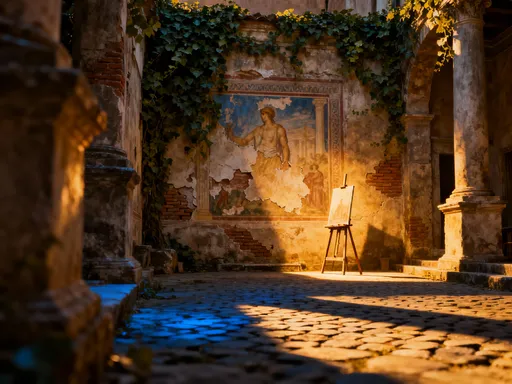
Rome isn’t just ancient ruins and crowded museums—beneath its historic streets lies a world of private, intimate art spaces most tourists never see. I stumbled upon dimly lit studios, forgotten courtyards with frescoed walls, and family-run galleries tucked behind unmarked doors. These hidden pockets of creativity reveal a side of Rome that’s raw, personal, and breathtakingly real. If you're craving art that feels alive, not staged, this is your invitation to look deeper. Beyond the postcard landmarks, Rome breathes through quiet gestures: a brushstroke on weathered stone, a sculpture emerging under skilled hands, a mural blooming in a courtyard unseen by guidebooks. This is a city where art isn’t only preserved—it’s practiced, lived, and shared in whispers rather than declarations.
Beyond the Colosseum: The Other Side of Rome’s Soul
Rome’s identity is often reduced to its monuments—the Colosseum, the Pantheon, the Vatican. While these sites are undeniably magnificent, they represent only one facet of a city whose creative soul pulses far beneath the surface. The Rome that artists know is not always the one that fills travel brochures. It exists in the rhythm of daily life, in the patina of weathered stone, and in the quiet corners where tradition and innovation quietly converge. These hidden art spaces—small studios, private galleries, artist-led chapels—are not designed for mass tourism. They are intimate, often unadvertised, and deeply personal. They matter because they offer a rare authenticity, a chance to witness art not as a finished product, but as a living process.
What defines a private art space in Rome? It might be a fourth-generation mosaic workshop where artisans cut glass by hand, or a converted cellar in an old palazzo where a contemporary painter displays her latest series. These spaces are not bound by the conventions of formal institutions. They operate on trust, curiosity, and connection. Many are family-run, passed down through generations, or sustained by cultural associations dedicated to preserving Rome’s living artistic heritage. Unlike the curated distance of major museums, these venues invite closeness. You may stand inches from a fresco still drying, or watch a sculptor refine a marble figure with tools that haven’t changed in centuries.
These spaces also reflect the resilience of local craftsmanship in a city increasingly shaped by tourism. While souvenir shops multiply near Piazza Navona, the quiet dedication to traditional techniques persists in backstreets where apprentices still learn under masters. The value of these spaces lies not only in the art they produce but in the continuity they represent. They remind us that Rome is not a frozen relic, but a city where history and creativity coexist in dynamic tension. For the traveler seeking depth over spectacle, these hidden venues offer a more meaningful encounter with the city’s enduring spirit.
Hunting Hidden Studios in Trastevere’s Back Alleys
Wandering through Trastevere feels like stepping into a living postcard—narrow cobbled lanes, ivy-draped archways, laundry strung between centuries-old buildings. But beyond the charm of its facades lies a network of working artist studios, many hidden behind unmarked wooden doors or accessed through shared courtyards. These ateliers are not tourist attractions; they are workplaces, laboratories of creativity where art is made, not merely displayed. On a quiet morning, the scent of turpentine and linseed oil drifts from open windows, and the rhythmic tap of a chisel echoes from a third-floor workshop. This is where Rome’s artistic heartbeat remains strongest—unseen, unadvertised, and deeply authentic.
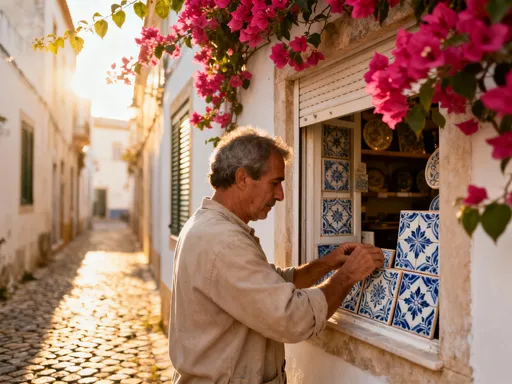
One such studio belongs to Marco, a fourth-generation mosaicist whose family has worked in Trastevere since the 1930s. His workspace, tucked behind a baker’s shop, is a treasure trove of colored glass, ancient tools, and half-finished commissions for churches and private clients. Marco welcomes visitors, not for sales, but for conversation. “People think mosaics are just decoration,” he says, carefully placing a shard of blue smalti into a floral pattern. “But each piece is a decision—light, color, texture. It’s like painting with stone.” His hands move with precision, a lifetime of muscle memory guiding every placement. Visitors are encouraged to touch samples, to feel the difference between Roman glass and modern imitations, to understand the weight of tradition behind every tile.
Further down the lane, a painter named Elena opens her studio once a week for informal viewings. Her work blends classical Roman motifs with abstract expressionism—columns dissolving into color fields, goddesses rendered in bold brushstrokes. She invites guests to sit on stools and watch her work, explaining her process in soft, deliberate English. “I don’t sell much,” she admits, “but I don’t make art to sell. I make it to live.” These interactions are not performances; they are genuine exchanges between artist and observer. There’s no pressure to buy, no scripted tour—just the quiet privilege of witnessing creation in real time.
What makes Trastevere ideal for such spaces is its village-like intimacy. Artists live where they work, often in apartments above their studios. The neighborhood has resisted full commercialization, preserving a sense of community where craftsmanship is valued over convenience. Visitors who take the time to explore—knocking gently on doors marked only by a small sign or a painted symbol—often find themselves welcomed with tea and stories. These encounters are fleeting, unrepeatable, and all the more precious for their spontaneity. They remind us that art, at its core, is not about spectacle, but about presence.
The Secret Courtyard Galleries of Ancient Palazzos
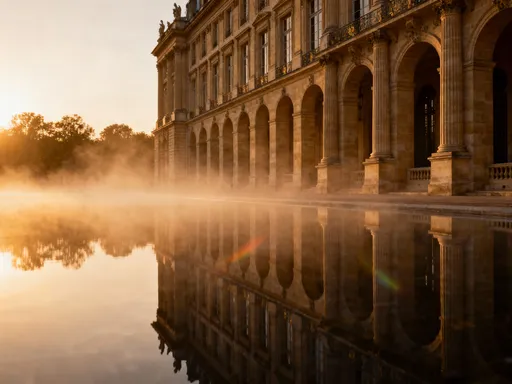
Scattered across Rome’s historic center, ancient palazzos rise behind unassuming facades, their grandeur concealed until one steps into their inner courtyards. These architectural gems, once homes to noble families, now serve a new purpose: as temporary galleries for private art exhibitions. Unlike the permanent collections of public museums, these displays are ephemeral—open for a few weeks each year, often organized by cultural associations or artist collectives. Access is typically by reservation or through guided cultural walks, adding an element of exclusivity and reverence to the experience.
One such space is the Cortile della Luce, a sun-dappled courtyard within a 16th-century palazzo near Campo de’ Fiori. During the annual Rome Art Week, it transforms into a gallery for contemporary installations. Last spring, a suspended sculpture of woven copper threads caught the afternoon light, casting intricate shadows on the weathered stone walls. The contrast was striking—centuries-old architecture framing a modern meditation on memory and light. Visitors moved slowly, speaking in hushed tones, as if the space itself demanded silence. The artwork wasn’t separated by glass or velvet ropes; it was part of the environment, breathing with the same air as the ancient columns.
These courtyard exhibitions are curated with intention. Organizers often seek works that dialogue with the space—pieces that respond to the play of light, the texture of stone, or the history embedded in the walls. A recent show featured ceramic installations inspired by Roman frescoes, their cracked surfaces echoing the patina of time. Another displayed sound art that activated only when visitors approached, creating an intimate, responsive experience. Because these exhibitions are temporary, they feel urgent, precious—like witnessing something that might never exist again in quite the same way.
Access is carefully managed to preserve the integrity of both the art and the architecture. Most visits are limited to small groups, led by knowledgeable guides who provide context about the palazzo’s history and the artists’ intentions. Some events include live music or poetry readings, further deepening the sense of occasion. For travelers, discovering one of these exhibitions feels like being let in on a secret—a rare glimpse into Rome’s private cultural life. It’s art not as spectacle, but as ritual, unfolding in spaces that have witnessed centuries of change.
Artist Residencies and Cultural Hideouts in Monti
Monti, one of Rome’s oldest neighborhoods, has long been a haven for artists, writers, and free thinkers. Nestled between the Colosseum and Termini Station, it retains a bohemian charm—cobblestone streets, ivy-covered walls, and a network of converted workshops that now serve as artist residencies. These programs, often supported by cultural foundations or international arts organizations, bring together local and visiting artists for short-term stays, fostering collaboration and experimentation. The result is a dynamic, ever-changing scene of pop-up exhibitions, performance art, and interdisciplinary projects that thrive outside the formal gallery system.
One such residency, Spazio Aperto, occupies a former textile factory near Santa Maria Maggiore. During my visit, the space hosted a mixed-media exhibition exploring the theme of urban memory. Artists had transformed the raw brick interiors into immersive environments—soundscapes of street chatter layered with classical music, walls covered in collaged newspaper fragments from the 1950s, video projections mapping the evolution of Monti’s streets. The atmosphere was electric, not with crowds, but with creative energy. Visitors were encouraged to touch, sit, even contribute to a collective mural. There were no price tags, no sales pitches—just the open exchange of ideas.
What makes Monti unique is its accessibility. Unlike the more exclusive art scenes in other districts, many of these events are free and open to the public. Information is shared through word of mouth, local cafes, and community bulletin boards. A small enoteca might host a flyer for a performance happening that evening in a nearby courtyard. A bookshop could double as a gallery for a week-long photography exhibit. This spontaneity adds a layer of adventure to any visit—there’s no fixed itinerary, only the possibility of stumbling upon something extraordinary.
For travelers, engaging with Monti’s art scene means embracing unpredictability. It requires curiosity, a willingness to explore, and a respect for the informal nature of these spaces. These are not polished institutions; they are living laboratories of creativity. Some residencies offer open studio days, where visitors can speak directly with artists, watch them work, and learn about their inspirations. Others host informal talks or workshops, creating bridges between locals and visitors. In Monti, art is not something to be observed from a distance—it is an invitation to participate, to listen, to become part of the moment.
Churches with Living Art: When Sacred Spaces Become Canvases
Rome is home to over a thousand churches, most of which are visited for their historical or architectural significance. Yet, beyond the well-trodden paths of St. Peter’s Basilica and Santa Maria Maggiore, a quieter movement is unfolding—some lesser-known parishes are commissioning contemporary artists to create new religious art, integrating modern expressions into centuries-old sanctuaries. These works are not replacements for tradition, but dialogues with it—frescoes that reinterpret biblical scenes with modern faces, sculptures that convey spiritual themes through abstract forms, stained glass that filters light in unexpected ways.
One such example is the Church of San Giuseppe dei Falegnami, tucked beneath the Capitoline Hill. In 2022, it unveiled a new altarpiece by contemporary painter Lucia Bianchi, whose work blends Renaissance techniques with modern symbolism. Her depiction of the Nativity places Mary and Joseph not in a stable, but in a modest Roman apartment, surrounded by neighbors offering help. The figures are rendered in soft, earthy tones, their faces familiar, human. The painting doesn’t seek to shock, but to reconnect—reminding viewers that the sacred is not distant, but present in everyday acts of kindness. Visitors often stand before it in silence, moved by its quiet dignity.
These artistic interventions are carefully curated, always with the approval of the parish and in accordance with liturgical guidelines. The goal is not to modernize for modernization’s sake, but to keep the spiritual message alive and relevant. In another church, a sculpture of the crucified Christ is rendered in reclaimed wood, its rough texture emphasizing themes of suffering and renewal. The piece stands in contrast to the polished marbles of the Baroque era, yet it belongs—its rawness echoing the humility of the original event.
Visiting these spaces requires a different kind of attention. Photography is often discouraged, not out of secrecy, but out of respect for the sanctity of the environment. Visitors are asked to dress modestly, to speak softly, to move with reverence. Yet, the experience is profoundly moving—not despite the silence, but because of it. In these quiet moments, art becomes more than decoration; it becomes a vessel for reflection, a bridge between past and present, between the divine and the human. For those willing to listen, these churches offer a rare depth of feeling, a reminder that creativity and faith can walk hand in hand.
How to Find These Spaces Without Getting Lost (or Being Rude)
Discovering Rome’s hidden art spaces requires more than a map—it demands curiosity, patience, and a respectful approach. Many of these venues are not listed on mainstream tourism websites, and some don’t have official addresses. The key is to engage with the city as a local would. Begin by visiting cultural centers like the American Academy in Rome or the British School at Rome, which often host public lectures, exhibitions, and open studio events. Their bulletin boards and newsletters are goldmines of information about upcoming shows and artist talks.
Another reliable resource is Rome’s network of small-group cultural walks. Led by art historians or local artists, these tours focus on offbeat neighborhoods and lesser-known venues. Unlike mass-market excursions, they prioritize depth over speed, allowing time for conversation and reflection. Some even include visits to private studios by special arrangement. These tours are not only informative but also respectful—guides understand the etiquette of entering non-public spaces and ensure that visitors behave with discretion.
Local cafes and bookshops, especially in Monti, Trastevere, and Testaccio, often display flyers for upcoming events. A simple question—“Ci sono mostre d’arte questa settimana?”—can lead to a warm recommendation. Many artists welcome visitors, but only if approached politely. Always knock before entering a shared courtyard, and never assume a space is open just because the door is ajar. If an artist is working, observe quietly, and wait for an invitation to engage. Photography should only be taken with permission, and flash is almost always inappropriate.
Supporting these artists doesn’t require a large purchase. Many sell small works—prints, ceramics, or sketches—at modest prices. Buying one is not just a souvenir; it’s a gesture of appreciation, a way of participating in the creative ecosystem. Above all, the most important rule is respect. These spaces are not attractions; they are homes, workplaces, sanctuaries. To enter them is a privilege, not a right. By approaching them with humility and openness, travelers can form genuine connections that last far beyond the trip itself.
Why These Moments Stay With You Longer Than Any Museum
Years from now, you may forget the exact shade of the Sistine Chapel ceiling or the name of the museum where you saw a Caravaggio. But you will remember the sculptor in Trastevere who let you hold a piece of unfinished marble, its surface still warm from his hands. You will remember the silence of a candlelit chapel where a modern fresco spoke of hope in a language older than words. These are the moments that linger—not because they were grand, but because they were real.
Major museums offer mastery, but they also create distance. Art is framed, labeled, protected behind glass. We observe it, admire it, but rarely feel it. In contrast, Rome’s hidden art spaces dissolve that barrier. They invite touch, conversation, presence. Watching an artist shape clay or mix paint is not just educational—it’s humanizing. It reminds us that creativity is not the domain of geniuses alone, but a universal impulse, alive in quiet hands and hidden rooms.
These experiences also transform how we remember a place. Instead of collecting postcards, we collect connections—moments of shared understanding, fleeting conversations, the warmth of being welcomed into a private world. They shift travel from consumption to communion. We stop being tourists and become witnesses, participants, even collaborators in the ongoing story of a city’s soul.
And in that shift lies the deepest reward: a sense of belonging. Rome, for all its grandeur, can feel overwhelming, impersonal. But in these hidden spaces, it reveals its intimacy. It says, quietly, “You can see me as I am.” That invitation—to look closely, to listen, to engage—is what makes these encounters unforgettable. They don’t just show us art; they show us ourselves, reflected in the quiet courage of creation.
Rome’s true artistic heartbeat doesn’t always echo in grand halls—it whispers in hidden courtyards, flickers in candlelit chapels, and pulses in the hands of working artists. Seeking out these private art spaces transforms a visit from sightseeing to soul-seeing. The city reveals itself not in postcard views, but in quiet moments of shared creation. For those willing to look closely, Rome offers not just beauty, but belonging.