You Gotta See These Hidden Shopping Spots in Faro — Scenic, Local, and Totally Unexpected
Faro, Portugal isn’t just about golden beaches and cobbled old towns — it’s a shopping experience like no other. I wandered beyond the tourist paths and found charming markets, artisan boutiques, and scenic spots where culture meets commerce. Think fresh seafood at the morning market, handmade ceramics in shaded squares, and coastal views between boutique stops. This is shopping with soul. If you're craving authenticity with a side of beauty, Faro delivers — and I’ll show you exactly where to go.
Arriving in Faro: First Impressions That Lead to Shopping Gold
Faro, the sun-kissed capital of Portugal’s Algarve region, welcomes travelers with quiet confidence. Nestled between the Atlantic Ocean and the serene Ria Formosa Natural Park, the city serves as a gateway to southern Portugal’s most treasured landscapes. Yet, beyond its role as a transit hub with an international airport and reliable rail connections, Faro reveals itself as a destination rich in understated charm. At first glance, the city may appear modest — a blend of historic architecture and modern convenience — but beneath that surface lies a vibrant rhythm shaped by centuries of maritime tradition, local craftsmanship, and daily life lived in harmony with the sea.
What sets Faro apart is how naturally it guides visitors toward meaningful experiences, especially when it comes to shopping. Unlike cities where retail feels forced or commercialized, Faro unfolds like a gentle invitation. As you pass through the Arco da Vila, the grand stone gateway to the old town, you’re not entering a tourist zone — you’re stepping into a living neighborhood where shopkeepers know their customers and goods are chosen with care. The walk from the marina to the cathedral isn’t just scenic; it’s layered with opportunity. Along the way, flower-filled balconies overlook narrow lanes where the scent of freshly baked bread mingles with the sea breeze, and every turn reveals a new storefront tucked into centuries-old buildings.
Many come to Faro for the beaches, but leave transformed by its quieter pleasures. One traveler recalls, 'I didn’t come for shopping, but I left with my suitcase heavier — and my heart fuller.' That sentiment echoes among those who take the time to explore beyond the guidebook highlights. Whether it’s a hand-stitched linen napkin from a family-run shop or a jar of locally harvested honey purchased at a morning market, these items carry stories. They connect the buyer to the maker, the place, and the moment. In Faro, shopping becomes less about acquisition and more about discovery — a sensory journey through color, texture, taste, and tradition.
The Old Town (Cidade Velha): Where History Meets Handmade Treasures
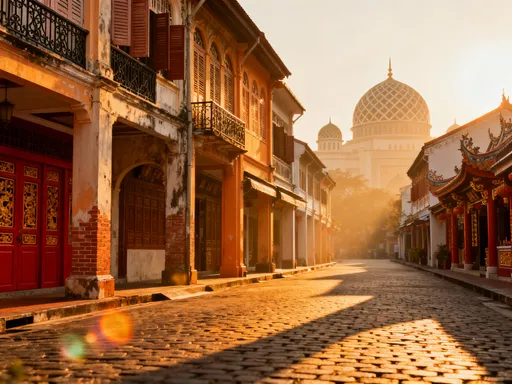
Wandering through Faro’s Cidade Velha, or Old Town, feels like stepping into a living museum where history isn’t confined to plaques and exhibits — it’s woven into everyday life. Encircled by remnants of 13th-century walls, this whitewashed quarter glows under the Algarve sun, its cobbled streets echoing with soft footsteps and occasional laughter from open-air cafés. Here, shopping transcends transaction; it becomes an intimate encounter with Portuguese heritage. The shops that line these narrow alleys are not franchises or souvenir stands, but small, family-operated boutiques offering goods crafted with pride and purpose.
One of the most treasured traditions on display is the art of handmade lace, known locally as renda de bilros. Delicate and intricate, this bobbin lace has been passed down through generations of Algarvian women. In tucked-away workshops near the Sé Cathedral, you’ll find artisans seated at wooden tables, fingers dancing over pins as they create patterns inspired by seashells, waves, and floral motifs. These pieces — whether framed art, table runners, or trim for clothing — are not mass-produced. Each carries the subtle imperfections of human touch, making them all the more valuable. Purchasing a lace item here supports local craftswomen and preserves a cultural legacy that might otherwise fade with time.
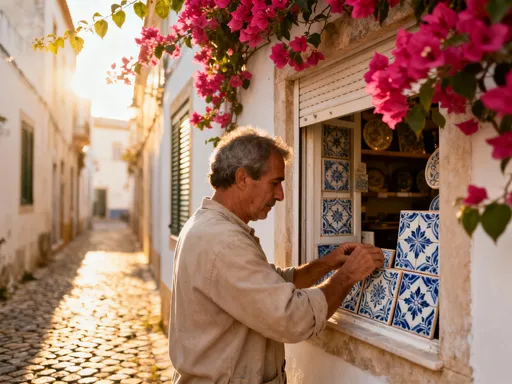
Equally emblematic of the region is the use of cork, a sustainable material harvested from Portugal’s vast cork oak forests. In boutique stores near Arco da Vila, you’ll encounter everything from cork handbags and wallets to decorative boxes and jewelry. Lightweight, water-resistant, and surprisingly durable, cork products reflect both innovation and tradition. Many of these items are made by small cooperatives that prioritize ethical production and environmental responsibility. Equally captivating are the hand-painted azulejos, the iconic blue-and-white ceramic tiles that adorn homes and churches across Portugal. In Faro’s old town, local potters sell original designs — some traditional, others modern — each tile a miniature canvas telling a story of the sea, saints, or rural life.
What makes these shops special isn’t just what they sell, but how they make you feel. There’s no pressure to buy, no loud music or flashing signs. Instead, you’re greeted with quiet warmth, perhaps a smile and a few words in Portuguese. The atmosphere invites browsing, conversation, and reflection. These are not places to rush through with a checklist; they are spaces to linger, to appreciate the craftsmanship, and to take home something that carries meaning. In a world of fast fashion and disposable goods, Faro’s Old Town offers a refreshing alternative — shopping with soul.
Mercado de Olhão: A Short Trip, Big Flavor (and Finds!)
Just a short 10-minute train ride east of Faro lies Olhão, a working fishing town with a market that bursts with color, flavor, and authenticity. The Mercado de Olhão is not designed for tourists — it exists for locals, and that’s exactly what makes it so special. Housed in two striking red-and-white Moorish-style pavilions built in the 19th century, the market operates daily, but peaks in energy on Saturday mornings when fishermen unload their catch and farmers bring in seasonal produce. To visit is to immerse yourself in the true taste of the Algarve — one that lingers long after you’ve left.
From the moment you step inside, your senses come alive. The salty tang of the sea mixes with the smoky aroma of sardines grilling over open flames — a staple here, often served on crusty bread with a squeeze of lemon. Stalls overflow with glistening fish: sea bass, octopus, monkfish, and the prized chicharro, a local mackerel. But the market is more than seafood. Vendors display pyramids of ripe figs, plump tomatoes, golden melons, and deep purple figs — all grown within a short drive. Bunches of fresh herbs hang from hooks, while jars of orange blossom honey, almond paste, and piri-piri sauce line wooden shelves.
Equally compelling are the handcrafted goods sold by local artisans. Woven palm-leaf baskets, once used by fishermen to carry their catch, now serve as stylish beach totes. Embroidered linens, dyed with natural pigments, reflect the region’s Moorish influences. Some stalls specialize in traditional Algarvian sweets — like domingos, fluffy fried dough balls dusted with cinnamon, or figos cheios, figs stuffed with almond paste and baked until golden. These treats aren’t just delicious; they’re edible heirlooms, recipes preserved through generations.
To navigate the market like a local, arrive early — between 8:00 and 10:00 a.m. — when the fish is freshest and the crowds are thinner. Bring a reusable bag, wear comfortable shoes, and don’t hesitate to point or smile if language is a barrier; most vendors are patient and welcoming. While you can pay by card at larger stalls, cash is preferred for small purchases. And don’t leave without trying a sumo de laranja — a fresh-squeezed orange juice that tastes like sunshine in a cup. The Mercado de Olhão isn’t just a place to shop; it’s a living portrait of Algarvian life, where food, craft, and community come together in perfect harmony.
Rua da Silva and Rua Formosa: Faro’s Boutique Heartbeat
Back in central Faro, two parallel streets — Rua da Silva and Rua Formosa — form the city’s contemporary shopping spine. These tree-lined avenues, once part of the historic urban fabric, now blend the old with the new, offering a curated mix of Portuguese retail chains, independent designers, and cozy cafés. Unlike the bustling shopping districts of larger cities, this area moves at a relaxed pace, where window shopping is as enjoyable as buying. The architecture itself enhances the experience: pastel-colored buildings with wrought-iron balconies frame the streets, and shaded plazas invite pauses between stops.
Here, you’ll find boutiques showcasing Portuguese fashion labels that emphasize quality over quantity. Women’s clothing stores offer linen dresses, cotton blouses, and lightweight knitwear in soft, earthy tones — perfect for the Algarve climate. Shoe shops feature handcrafted leather sandals and espadrilles, many made in nearby workshops. Accessories like cork clutches, ceramic earrings, and hand-thrown pottery add a regional touch. What stands out is the emphasis on local design. While international brands exist, the real charm lies in discovering pieces made by Algarvian artists and small businesses — garments and goods that reflect the region’s light, landscape, and lifestyle.
Interspersed among the shops are cafés with outdoor seating, ideal for taking a break with a bica (Portuguese espresso) or a glass of regional white wine. One favorite spot sits at the corner of Rua Formosa and Praça Dom Francisco Gomes, where waiters in crisp aprons serve almond tarts and custard pastries fresh from the oven. These moments of pause are essential to the shopping experience in Faro. They allow you to slow down, observe daily life, and soak in the atmosphere. Children play in the square, elderly residents chat on benches, and the sound of a street musician’s guitar drifts through the air.
For visitors, practical details matter. Most stores open around 9:30 or 10:00 a.m. and close for a midday break between 1:00 and 3:30 p.m., reopening until 7:00 or 8:00 p.m. Sundays may have limited hours, but Saturday is the busiest and most vibrant day. While credit cards are widely accepted, having some euros on hand ensures smoother transactions at smaller boutiques and kiosks. The best approach is to wander without a strict agenda — let the streets guide you, follow your curiosity, and allow yourself to be surprised by what you find.
Marina de Faro: Upscale Vibes with a Waterfront View
A short walk from the old town, the Marina de Faro presents a different side of the city — modern, polished, and oriented toward leisure and luxury. Set along the edge of the Ria Formosa lagoon, the marina is home to sleek yachts, seafood restaurants with terrace seating, and a collection of upscale boutiques that cater to both locals and visitors seeking something special. This is the place to treat yourself — whether to a new swimsuit, a piece of jewelry, or a beautifully crafted nautical-themed home decor item.
The shops here reflect a more cosmopolitan aesthetic. You’ll find designer swimwear in bold prints and flattering cuts, perfect for days on the beach or by the pool. Accessories like wide-brimmed hats, silk scarves, and leather sandals are displayed with care, often in minimalist storefronts with large windows that let in the natural light. Home stores specialize in coastal-inspired décor — think driftwood mirrors, rope-handled baskets, and glass lanterns filled with seashells. Some boutiques carry Portuguese-made ceramics with contemporary twists on traditional patterns, blending heritage with modern design.
What makes shopping at the marina so enjoyable isn’t just the quality of the goods, but the setting. The sea breeze carries the scent of salt and jasmine, and the view of sailboats bobbing on turquoise water adds a sense of calm. It’s easy to spend an hour browsing, then settle at a waterside café with a glass of vinho verde and a plate of grilled octopus. The marina also hosts seasonal pop-up markets, especially in summer, where local designers sell handmade jewelry, organic skincare, and artisanal foods. These temporary stalls add variety and a sense of discovery to each visit.
While prices here are higher than in the old town or Olhão market, the marina offers value in experience as much as in product. A purchase made here — a silk dress, a hand-blown glass pendant — often feels like a celebration, a souvenir of a perfect day. For non-EU visitors, some stores offer tax-free shopping, making certain items more affordable. The key is balance: enjoy a splurge at the marina, but pair it with budget-friendly finds from local markets and independent shops. That way, your shopping journey reflects the full spectrum of Faro — from humble craftsmanship to refined elegance.
Seasonal Shopping: Festivals, Markets, and Local Events
The rhythm of shopping in Faro shifts beautifully with the seasons, offering fresh opportunities for discovery throughout the year. While the city is delightful in peak summer, the shoulder months of May–June and September–October often provide the most rewarding experiences. The weather is warm but not scorching, the crowds are thinner, and local life flows at a natural pace. These periods also coincide with festivals and seasonal markets that transform shopping into a cultural celebration.
In December, Faro embraces the holiday spirit with a charming Christmas market set up in the main square near the cathedral. Wooden chalets glow with fairy lights, selling handmade ornaments, knitted woolens, and seasonal treats like filhós — fried dough balls dusted with sugar and lemon zest. Local artisans display nativity figurines carved from olive wood, while choirs sing traditional villancicos (carols) in the evenings. It’s a family-friendly atmosphere, full of warmth and nostalgia, where even those who don’t celebrate Christmas can appreciate the joy and craftsmanship on display.
Summer brings its own delights, particularly in the form of craft fairs and seaside pop-ups. In July and August, towns along the coast host weekend markets where potters, weavers, and jewelry makers sell their work under shaded tents. These events often include live music, food trucks serving regional specialties, and demonstrations of traditional skills. One popular fair near Faro features artisans from across the Algarve, offering everything from hand-painted fans to cork wine holders. These gatherings are not just shopping opportunities — they’re community events that celebrate local talent and sustainable creativity.
Religious festivals also play a role in the shopping calendar. During the Festa de São João in June, for example, streets are decorated with flowers and paper lanterns, and temporary stalls appear selling devotional items, scented candles, and traditional sweets. While these events have spiritual roots, they also serve as vibrant expressions of regional identity. For visitors, they offer a chance to witness living traditions and take home meaningful mementos — not souvenirs mass-produced for tourists, but items rooted in belief, beauty, and local life.
Practical Tips for Scenic Shopping in Faro
To make the most of your shopping journey in Faro, a few practical considerations can enhance both comfort and enjoyment. The city is highly walkable, especially the old town and marina areas, where narrow streets and pedestrian zones encourage exploration on foot. Comfortable shoes are essential — cobblestones are charming but unforgiving. For trips to nearby markets like Olhão, the regional train service is efficient, affordable, and scenic. Trains run frequently, and the short ride offers views of salt flats, tidal channels, and coastal vegetation.
When shopping, bring a reusable cloth bag — not only is it eco-friendly, but it’s also practical for carrying purchases, especially fresh food or fragile items. Stay hydrated, particularly in warmer months; keep a small water bottle with you and take advantage of the many fountains and cafés where you can refill. Sun protection is equally important — a wide-brimmed hat, sunglasses, and sunscreen will make your outings more comfortable.
Payment methods are generally straightforward. Most shops, restaurants, and markets accept major credit and debit cards, but smaller vendors, especially at outdoor markets or family-run stalls, often prefer cash. Having a mix of euros in small denominations ensures you can make purchases without difficulty. If you’re a non-EU resident, ask about tax-free shopping at larger stores — you may be eligible for a VAT refund on qualifying purchases, which can add up on higher-ticket items.
Finally, remember that shopping in Faro is not just about what you bring home, but how you experience it. Take your time. Talk to shopkeepers. Try a sample of honey or a bite of cheese offered at a market stall. Let the rhythm of the city guide you. Each purchase — whether a bar of olive oil soap, a hand-embroidered tablecloth, or a jar of homemade marmalade — becomes a tactile memory of your time in the Algarve. These items don’t just fill suitcases; they enrich lives.
Faro proves that shopping doesn’t have to mean malls or crowds — it can be a journey through sunlit alleys, fish markets, and quiet plazas filled with stories. Each purchase becomes a memory, each stop a moment of beauty. Whether you’re holding a hand-thrown bowl or a paper cone of hot churros, you’re holding a piece of the Algarve’s soul. Next time you plan a trip, don’t just pack a swimsuit — bring curiosity, and let Faro’s scenic shopping guide your way.