What I Found at the Edge of Russia Will Blow Your Mind
Vladivostok isn’t just a dot on the map—it’s a gateway to something unexpected. I went looking for adventure and found it on a plate. Nestled where the mountains meet the sea, this coastal city serves up flavors you won’t find anywhere else. From smoky seafood shacks to cozy Soviet-era cafés reinvented by bold young chefs, every bite tells a story. This is more than dining—it’s discovery. And trust me, you’ve never tasted the Far East like this before.
Arrival in the Unexpected
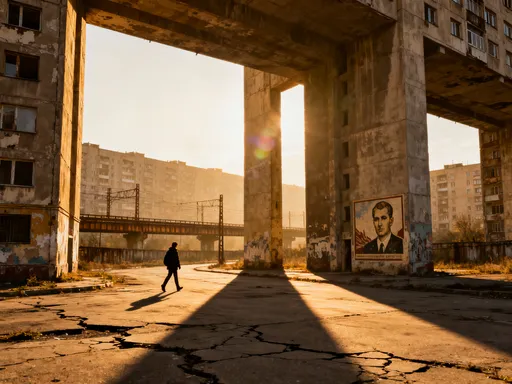
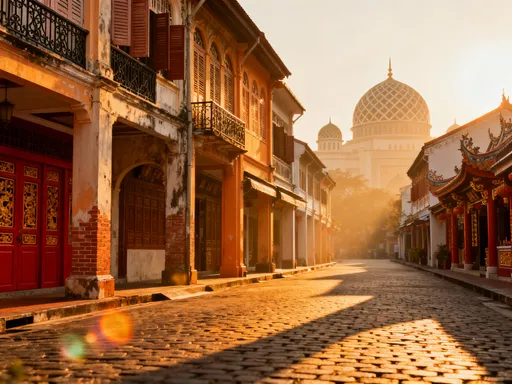
Stepping off the train in Vladivostok feels like crossing into another dimension of Russia. The air carries a briny freshness, a stark contrast to the dry continental climate of the interior. Hills rise steeply from the harbor, layered with pastel-painted apartment blocks and Orthodox church domes peering through morning mist. The city clings to the edge of the continent, where the Sea of Japan laps against Russia’s easternmost shores, and the Pacific whispers of distant horizons. This is not the Russia of Red Square or onion domes in St. Petersburg. Here, the pace is slower, the people more reserved yet deeply hospitable, and the culture shaped as much by maritime rhythms as by Soviet legacy.
Geographically, Vladivostok is closer to Tokyo than to Moscow—nearly 6,000 miles separate it from the capital. This distance isn’t just measured in kilometers; it’s felt in the food, the architecture, and the way people speak. While Russian is the official language, you’ll hear Korean phrases in markets and see Chinese characters on storefronts. The city’s identity is layered, built on centuries of migration, military strategy, and trade. Once a restricted naval port, it opened to civilians in the 1990s, and since then, it has quietly transformed into a cultural crossroads. Its isolation has preserved authenticity, while its openness to Asia has invited innovation.
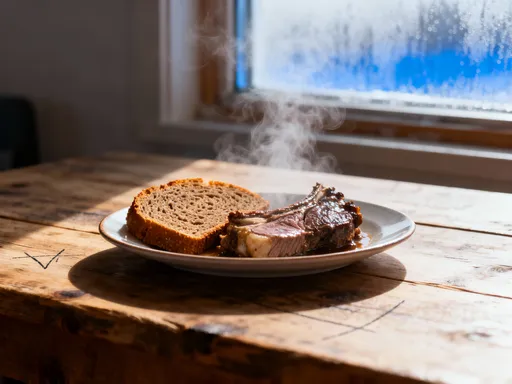
The first meal I had upon arrival set the tone: a simple bowl of *ukha*, the Russian fish soup, simmered with Pacific cod, dill, and a splash of dry white wine. It was served in a roadside café with chipped linoleum and a view of container ships gliding toward the Golden Horn Bridge. There was no pretense, no attempt to cater to tourists—just honest, deeply flavorful food rooted in place. That moment crystallized what makes Vladivostok special: it doesn’t perform for visitors. It lives, breathes, and feeds according to its own rhythm.
The Rhythm of Local Life
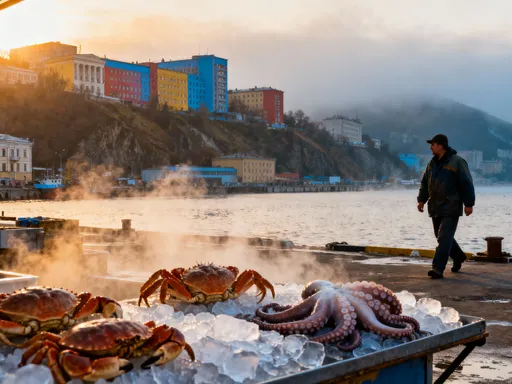
Life in Vladivostok moves with the tides. Each morning, long before the sun clears the hills, fishermen return to the docks of Nakhodka and Fokino, unloading crates of king crab, octopus, sea urchin, and salmon from the cold depths of the Sea of Japan. By 7 a.m., the central market in the city center begins to hum. Vendors in rubber boots and woolen hats arrange glistening fish on ice, their hands cracked from years of saltwater and wind. This is where the city’s culinary soul begins—not in glossy restaurants, but in the raw, vibrant exchange between sea and soil.
One vendor, a woman named Irina with a no-nonsense demeanor and a smile that warms quickly, has been selling seafood here for over three decades. She points to a basket of live snow crab, their claws bound with twine. “These came in at dawn,” she says, her breath visible in the crisp air. “Best eaten today.” She doesn’t use a scale; she knows the weight by touch. Her stall is a microcosm of the region’s palate: smoked mackerel, pickled herring with onions, jars of marinated seaweed, and fresh *koryushka*—smelt fish fried whole and eaten with fingers. Everything here is seasonal, local, and treated with reverence.
The market isn’t just a place to buy food; it’s a social hub. Older women bargain gently, not to save rubles but to engage in ritual. Young chefs in aprons take notes on their phones, scouting for rare ingredients. Tourists wander wide-eyed, unsure what to ask for, but always welcomed with patience. The emphasis is on freshness—so much so that many restaurants send staff here daily, sometimes twice a day, to secure the best catch. This proximity to the source defines Vladivostok’s cuisine: bold, unpretentious, and deeply connected to the natural world.
Hidden Kitchens and Urban Legends
Beyond the well-known eateries, Vladivostok’s true culinary treasures lie in its hidden corners—places passed down by word of mouth, never advertised online. One such spot is a basement *stolovaya* tucked beneath a residential building in the Artyom district. Run by a retired ship engineer named Viktor, it opens only from 11 a.m. to 3 p.m., serving a rotating menu of home-cooked dishes: cabbage rolls stuffed with beef and rice, potato pancakes with sour cream, and a rich mushroom soup made from foraged wild varieties. There’s no sign, no website—just a handwritten note taped to the door.
Viktor doesn’t cook for fame or profit. “I started doing this after my wife passed,” he explains, stirring a pot of borscht. “The kitchen kept me going. Now, people come, eat, and we talk. It’s not a restaurant. It’s a table for friends.” His walls are lined with photos of regulars—fishermen, students, elderly neighbors—all brought together by the simple act of sharing a meal. This kind of place thrives on trust and routine, not reviews or influencers. It’s a reminder that some of the best food in the world isn’t found on apps, but through human connection.
Another gem is a pop-up *blini* bar hidden in a Soviet-era metro passage near the central station. Every Friday evening, a young couple sets up a small grill, offering thin, golden pancakes filled with smoked salmon, cottage cheese, or wild berry jam. They take orders by hand, scribbling them on a notepad. There’s no menu board, no QR codes—just the scent of butter and the sound of laughter echoing off tiled walls. These moments of spontaneity, where food emerges from unexpected places, define Vladivostok’s charm. They reflect a culture that values improvisation, resilience, and the joy of simple pleasures.
Fusion on a Fork
Vladivostok’s cuisine is a living archive of its history. As a port city on the edge of three continents, it has absorbed flavors from Russia, Korea, China, and Japan, creating a culinary identity that is both distinct and harmonious. The result isn’t fusion for novelty’s sake, but a natural blending born of necessity, trade, and centuries of coexistence. You’ll find *pельмени* (Russian dumplings) served with Korean-style kimchi, or *solyanka* (a sour soup) spiced with Sichuan peppercorns. It’s not uncommon to see a bowl of ramen next to a plate of pickled herring at a family dinner.
One meal that captures this blend is a weekend brunch at a local favorite called *Primorye Table*. The menu features *mandu*—Korean dumplings filled with pork and cabbage—steamed to perfection and served with a vinegar-soy dipping sauce. Beside them sits a wedge of borscht, deep red and earthy, topped with a dollop of smetana (sour cream). A small dish of Japanese-style *tsukemono* pickles cuts through the richness, while a glass of dry Russian wine from the southern regions balances the meal. The chef, Maria, explains that her grandmother was Korean, her grandfather a Russian sailor, and her mother trained in Japanese cuisine. “This table,” she says, “is my family history.”
This blending extends beyond ingredients to technique. Fermentation, a cornerstone of Korean and Japanese cooking, is widely used in Vladivostok, not just for vegetables but for fish and even dairy. You’ll find *takuan* (pickled daikon) alongside *kvass* (fermented rye drink), and *natto*-style fermented soybeans adapted into local spreads. The precision of Japanese cuisine tempers the heartiness of Russian fare, while the boldness of Chinese spices adds depth. It’s a delicate balance, one that reflects the city’s ability to adapt without losing its core.
The New Wave: Chefs Reimagining the Coast
A new generation of chefs is now redefining Vladivostok’s culinary landscape, drawing from tradition while embracing innovation. At *Tuman*, a sleek, minimalist restaurant perched on a cliff overlooking the Amur Bay, chef Alexei Morozov is turning local ingredients into edible art. The menu changes weekly, based on what’s fresh from the sea and forest. One evening, it might feature seared scallops with sea buckthorn gel, the tartness cutting through the sweetness of the shellfish. Another night, it could be venison from the Sikhote-Alin mountains, glazed with wild honey and served with fermented nettle purée.
What sets *Tuman* apart isn’t just the plating—though each dish is a study in balance and color—but the philosophy behind it. Morozov forages many of his ingredients, working with local gatherers who know the terrain intimately. He uses traditional preservation methods like cold smoking and lacto-fermentation, but applies them in modern ways. “We’re not trying to invent something new,” he says during a brief kitchen visit. “We’re trying to listen to what the land and sea have always offered, and present it with respect.” His tasting menu, priced affordably for the region, includes a narrative—each course comes with a short explanation of its origin, from the fisherman who caught the squid to the village where the herbs were harvested.
Other young chefs are opening small bistros that blend Soviet nostalgia with contemporary flair. One, *Kombinat*, occupies a former factory canteen, serving dishes like beetroot tartare with quail eggs and dill oil, or rye bread ice cream with caramelized onions. The space is warm and industrial, with exposed pipes and vintage posters. These restaurants aren’t rejecting the past; they’re reinterpreting it. They honor the resilience of Soviet-era cooking—making delicious food from simple ingredients—while elevating it with creativity and care.
Practical Discovery: How to Eat Like a Local
For visitors, the key to experiencing Vladivostok’s food culture is patience, curiosity, and a willingness to step off the beaten path. The best time to visit the central market is between 7 a.m. and 10 a.m., when the freshest catch arrives and the atmosphere is most vibrant. Don’t be afraid to point and smile—many vendors understand basic English or will use gestures to communicate. If you’re unsure what something is, a quick photo and translation via Yandex.Translate can help. The app, widely used across Russia, supports offline mode and voice input, making it invaluable for navigating menus and asking questions.
When dining in smaller establishments, especially older cafés or home kitchens, it’s important to respect local customs. Service may be slow—not out of indifference, but because meals are prepared fresh to order. Tipping is appreciated but not expected; leaving 5–10% is customary in restaurants, while small cash tips are common in markets. Dress modestly in older neighborhoods; while Vladivostok is cosmopolitan, conservative values still influence daily life. Avoid rushing or demanding special treatment—hospitality here is warm but earned through respect.
Getting around is easiest by marshrutka (minibus), which connects the city’s districts efficiently. For food-rich areas like the Artyom district or the coastal village of Russky Island, consider renting a car or joining a small-group food tour led by local guides. These tours often include visits to private kitchens, fishing piers, and family-run farms, offering a deeper understanding of the region’s food chain. Even solo travelers can find connection—many locals are eager to share their favorite spots if approached with genuine interest.
Why This Matters Beyond the Plate
Food in Vladivostok is more than sustenance; it’s a lens through which to understand resilience, adaptation, and cultural continuity. This city, perched on the edge of a vast continent, has weathered isolation, economic shifts, and geopolitical changes. Yet its cuisine remains vibrant, not because it resists change, but because it absorbs it. Each dish tells a story of survival, of people making the most of what the sea and land provide, of generations passing down recipes through war, scarcity, and renewal.
When you eat in Vladivostok, you’re not just tasting flavors—you’re participating in a living tradition. The fermented fish, the hand-folded dumplings, the market-bought smelt fried crisp in oil—these are acts of cultural preservation. They remind us that identity isn’t static; it’s shaped by geography, history, and the quiet daily choices of ordinary people. In a world where global chains homogenize taste, Vladivostok offers something rare: authenticity born not from marketing, but from necessity and pride.
True travel, then, isn’t measured by the number of landmarks visited or photos taken. It’s found in the moments when you sit at a worn wooden table, share a meal with strangers, and realize that connection transcends language. It’s in the warmth of a retired engineer’s kitchen, the laughter in a metro passage blini bar, the quiet focus of a chef honoring his ancestors through flavor. Vladivostok teaches us that some of the world’s most surprising experiences aren’t in guidebooks—they’re waiting at the edge, on a plate, ready to be discovered by those willing to look beyond the map.