Lost in the Layers of Bucharest: Where Every District Tells a Story
You know that feeling when a city surprises you? Bucharest isn’t just Romania’s capital—it’s a mosaic of worlds packed into one vibrant, chaotic, beautiful place. I wandered without a map and found myself in zones that felt completely different: communist-era blocks, bohemian streets, and sleek modern hubs. Each area has its own rhythm, flavor, and soul. This isn’t just sightseeing—it’s real exploration. Beneath the surface of cobbled alleys and wide socialist boulevards lies a city shaped by empires, ideologies, and resilience. To walk through Bucharest is to step through time, where every district offers a chapter in Romania’s evolving story. For travelers seeking authenticity over postcard perfection, this city delivers depth, contrast, and quiet revelations at every turn.
Bucharest as a City of Contrasts
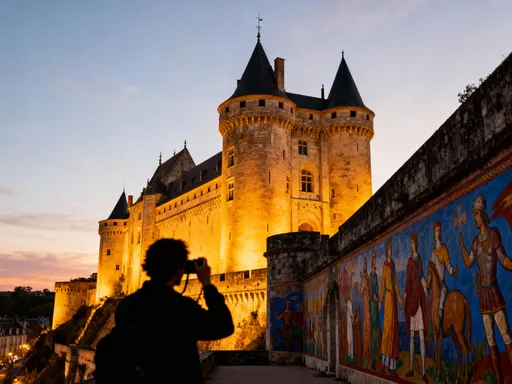
Bucharest resists easy categorization. It does not unfold like a postcard-perfect European capital with uniform facades and tidy timelines. Instead, it reveals itself in layers—some polished, others raw, all meaningful. The city’s identity is not monolithic but fragmented into thematic zones, each shaped by distinct historical forces, architectural styles, and social rhythms. From the ornate ruins of 19th-century mansions to the vast concrete expanses of communist-era housing, Bucharest tells the story of a nation caught between empires, ideologies, and reinvention.
What makes this city remarkable is not its grand monuments alone, but how daily life unfolds within these contrasting environments. A grandmother waters flowers on a balcony overlooking a graffiti-covered courtyard. A young couple sips craft coffee beneath a restored Art Nouveau cornice. A tram rattles past glass towers reflecting the sky. These moments are not curated for tourists—they are the texture of real urban existence. Travelers who embrace this complexity find more than sights; they discover context, emotion, and human resilience.
Exploring Bucharest thematically—by district rather than checklist—allows for deeper understanding. Rather than rushing from one attraction to the next, visitors can immerse themselves in the character of each neighborhood. This approach transforms a simple trip into a layered journey, where architecture becomes narrative, and streets become storytellers. It’s an invitation to slow down, observe, and connect with the pulse of a city still defining itself.
The Heartbeat of Old Town: Where History Meets Nightlife
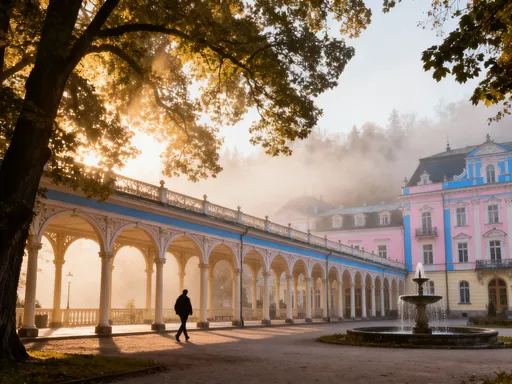
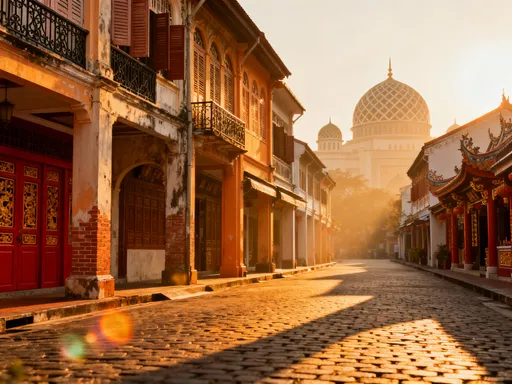
At the center of Bucharest’s energy lies Lipscani, the historic Old Town. Once the commercial heart of the city during the 17th and 18th centuries, this district thrived as a marketplace for merchants trading goods from across Europe and the Ottoman Empire. Today, its narrow cobbled streets are lined with beautifully restored 19th-century buildings, their pastel facades and wrought-iron balconies whispering of a bygone elegance. Yet beneath this charm pulses a modern rhythm—one of clinking glasses, live music spilling from basement bars, and the hum of conversation in cozy wine cellars.
Lipscani is where history and hedonism coexist. By day, visitors wander past boutique shops selling handmade leather goods, local ceramics, and vintage-inspired fashion. Cafés with outdoor seating invite passersby to pause over strong Romanian coffee and delicate pastries. The scent of grilled mititei—spiced grilled sausages—drifts from open-air kitchens, tempting even the most disciplined diets. But as dusk falls, the district transforms. Neon signs flicker to life, and former bank vaults and tobacco warehouses become nightclubs, craft beer halls, and jazz lounges.
Yet this vibrancy brings challenges. The commercial success of Old Town has led to rising rents and the displacement of long-time residents. Some historic buildings remain under threat despite preservation efforts. The balance between tourism and authenticity is delicate. For travelers, the key is mindful engagement—visiting local-owned restaurants, supporting independent designers, and stepping off the main drag into quieter alleys where history feels less staged. A walk through Lipscani at dawn, when the streets are still and the morning light catches weathered stone, offers a rare glimpse of the district’s soul before the crowds arrive.
The Communist Legacy: Exploring the Blocks of Northern Bucharest
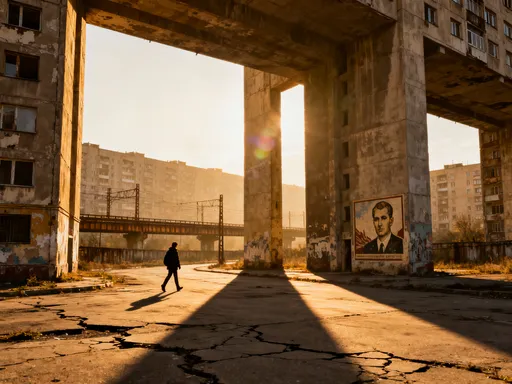
Northern Bucharest presents a starkly different reality. Here, the skyline is dominated by vast housing complexes known locally as “blocuri”—massive, prefabricated apartment blocks built during the regime of Nicolae Ceaușescu in the 1970s and 1980s. These uniform structures, stretching across districts like Drumul Taberei, Băneasa, and Militari, were designed to house the urban working class in a standardized, state-controlled environment. Today, they remain home to the majority of Bucharest’s population, offering an intimate look at everyday life in post-communist Romania.
The blocuri were not just buildings—they were instruments of ideology. Entire neighborhoods were demolished to make way for these high-density developments, erasing centuries of organic urban fabric. Families were relocated without choice, often placed in identical apartments with little privacy or comfort. The architecture reflected a vision of collectivism, where individuality was suppressed in favor of uniformity and efficiency. Yet over time, residents have reclaimed these spaces, painting walls in bright colors, planting gardens in courtyards, and installing satellite dishes and decorative railings that personalize their homes.
Walking through these neighborhoods reveals quiet acts of resistance and resilience. Children play soccer in shared courtyards. Elderly neighbors chat on benches beneath chestnut trees. Laundry flutters from balconies like flags of domestic life. These are not sterile relics of a failed system—they are living communities shaped by adaptation and endurance. For visitors, exploring the blocuri is not about spectacle but about understanding. It’s a chance to see how people rebuild dignity within imposed structures, and how memory persists even in the most unlikely places.
The Bohemian Escape: Cărturești and the Cultural Soul of the City
Just a short walk from the formality of central Bucharest lies a different kind of energy—one defined by creativity, independence, and reinvention. Areas like Regie, around the University of Architecture, and the streets near the Cărturești Carusel bookstore have become hubs for Romania’s young artists, writers, and entrepreneurs. Once overlooked or neglected, these neighborhoods now buzz with indie cafés, pop-up galleries, and community-run cultural spaces.
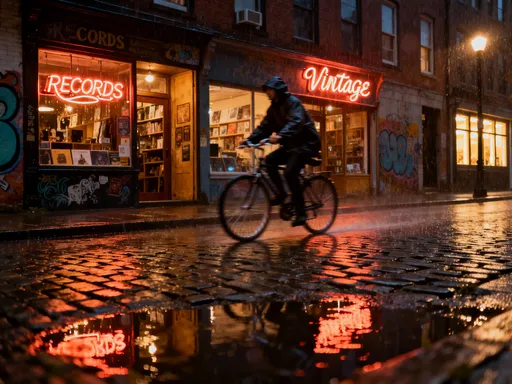
Cărturești Carusel itself is a symbol of this transformation. Housed in a beautifully restored 1927 building that once served as a bank, the bookstore is a marvel of design—a spiral of white bookshelves rising through multiple floors, flooded with natural light. It’s more than a shop; it’s a cultural landmark that draws locals and tourists alike. Around it, small businesses thrive: vegan bakeries, vinyl record stores, and co-working spaces where freelancers tap away on laptops surrounded by exposed brick and hanging plants.
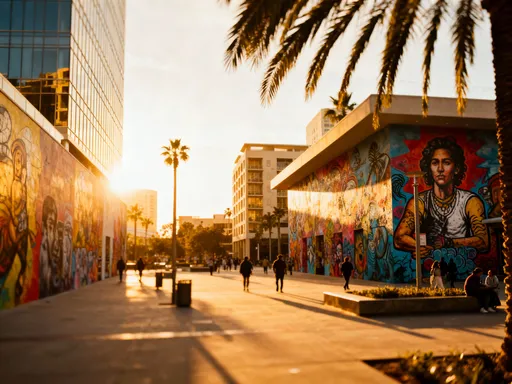
Street art plays a major role in this district’s identity. Murals cover building sides, depicting everything from folkloric motifs to social commentary. Some were created during grassroots festivals, where artists transformed dull walls into vibrant public canvases. These works are not just decoration—they reflect a desire to reclaim urban space and express identity freely. In neighborhoods like these, culture is not confined to museums; it spills onto sidewalks, into courtyards, and through open doors marked with hand-painted signs.
For visitors, this area offers a refreshing contrast to more tourist-heavy zones. It’s a place to linger over a slow-brewed coffee, flip through a Romanian poetry anthology, or stumble upon an impromptu acoustic concert in a hidden courtyard. The pace is slower, the interactions more genuine. It’s where Bucharest’s future is being written—one independent project at a time.
The Green Lungs: Parks and Lakes as Urban Sanctuaries
Amid the city’s concrete and traffic, Bucharest surprises with its abundance of green space. More than 30 percent of the city’s surface is covered by parks, gardens, and tree-lined avenues—a legacy of early 20th-century urban planning that prioritized public health and recreation. These spaces serve as vital sanctuaries, offering residents and visitors alike a chance to breathe, reflect, and reconnect with nature.
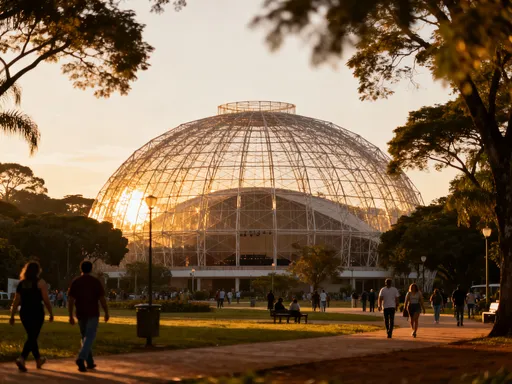
Herăstrău Park, stretching along the northern edge of the city, is the crown jewel of Bucharest’s green network. Centered around a large lake, it features walking and cycling paths, open-air museums, and scenic bridges. Families gather on weekends for picnics, flying kites or paddling rented swan-shaped boats. Joggers weave through shaded trails, while elders practice tai chi near the water’s edge. The park also houses the Dimitrie Gusti National Village Museum, an open-air collection of over 300 traditional Romanian houses, farms, and windmills transported from villages across the country. It’s a living archive of rural life, preserved within the city.
Other parks offer quieter experiences. Cișmigiu Gardens, located in the city center, is a favorite among locals for its romantic atmosphere—especially in spring, when cherry blossoms line the pathways. Benches face the central lake, where couples row boats and students read under trees. Tineretului Park, built on the site of a former landfill, now features sports facilities, fountains, and vast lawns popular with dog walkers and yoga groups. These spaces are not just decorative; they are essential to the city’s social fabric, fostering community, wellness, and intergenerational connection.
For travelers, spending time in Bucharest’s parks provides balance. After navigating bustling streets and dense history, a walk through Herăstrău or a coffee break by Cișmigiu offers mental reset. It’s also an opportunity to observe daily life—the way Romanians cherish outdoor time, the importance of family outings, and the value placed on simple pleasures. In a city often defined by its contrasts, these green spaces represent continuity, peace, and shared belonging.
The Modern Pulse: Business Districts and Contemporary Bucharest
In the southern part of the city, particularly around Piața Presei Libere and the Victoriei area, a new Bucharest emerges. Glass towers rise above wide boulevards, housing multinational corporations, tech startups, and luxury hotels. This is the city’s financial and diplomatic heart, where business suits replace bohemian scarves and high-speed internet is a given. The presence of embassies, co-working spaces, and international schools signals a Romania increasingly connected to global markets and innovation.
One of the most iconic structures here is the Bucharest Tower Center, a sleek skyscraper that stands in deliberate contrast to the city’s historic skyline. Nearby, the World Trade Center Bucharest hosts conferences, exhibitions, and corporate events, drawing professionals from across Europe. This modern district is not just about economics—it reflects a cultural shift. Young professionals commute via Metro or electric scooters, order lunch through delivery apps, and attend networking events in minimalist event spaces.
Yet this transformation does not erase the past. Many modern buildings are constructed near or atop historical sites, creating a visual dialogue between eras. Developers increasingly incorporate green roofs, solar panels, and energy-efficient designs, showing a commitment to sustainable urban growth. At the same time, cafes and boutiques within these complexes often feature local art and Romanian design, blending global functionality with national identity.
For visitors, this area offers a glimpse into Romania’s future. It’s where innovation meets tradition, and where the country’s integration into the European Union is most visible. A coffee in a high-rise café with a view of the Parliament building—a colossal structure from the communist era—creates a powerful juxtaposition. It’s a reminder that progress does not mean forgetting, but learning to build alongside memory.
Practical Exploration: How to Navigate and Experience Each Zone
Exploring Bucharest’s diverse districts requires thoughtful planning, but the city is more accessible than it first appears. The public transportation system, though sometimes crowded, is efficient and affordable. The Metro, consisting of five lines, connects key areas including the Old Town, northern bloc districts, and the southern business hub. Trams and buses fill in the gaps, reaching parks, residential neighborhoods, and cultural sites. For shorter distances, walking is ideal—many districts are compact, and the city center is largely pedestrian-friendly.
To truly experience each zone, travelers should adopt a slow travel mindset. Rather than trying to see everything in a few days, it’s better to spend a full day—or even half a day—immersed in one area. Begin with Old Town in the morning, then walk north toward Piața Romana and the art museums. After lunch, take the Metro to Herăstrău Park for an afternoon stroll. The next day, dedicate time to the blocuri, perhaps joining a local-led walking tour to gain insight into daily life. In the evening, head to the Regie area for dinner at a family-run restaurant serving traditional dishes with a modern twist.
Timing matters. Weekends bring crowds to popular areas like Lipscani and Herăstrău, while weekdays offer quieter moments. Early mornings are ideal for photography and peaceful walks. When visiting residential neighborhoods, it’s important to be respectful—avoid loud behavior, don’t enter private courtyards without permission, and always ask before photographing people. Romanians are generally warm and hospitable, especially when approached with courtesy.
Language is not a major barrier in tourist areas, as many younger Romanians speak English fluently. However, learning a few basic Romanian phrases—such as “mulțumesc” (thank you) or “scuzați-mă” (excuse me)—goes a long way in building rapport. Cash is still widely used, though contactless payments are becoming more common in cafes and shops. Safety is generally good, but as in any large city, it’s wise to stay aware of surroundings, especially in crowded trams or poorly lit streets at night.
Why Thematic Exploration Deepens Your Journey
Seeing Bucharest through its thematic districts transforms a simple visit into a profound experience. This is not a city to be consumed in highlights—it is one to be felt in layers. Each neighborhood tells a story: of imperial ambition, ideological control, artistic resistance, and quiet renewal. To walk from the ornate ruins of Old Town to the orderly chaos of the blocuri, from the green calm of Herăstrău to the glass reflections of the business district, is to trace the arc of a nation’s journey.
Travelers who take the time to understand these layers do more than see a city—they connect with a culture shaped by resilience and reinvention. They witness how people live, adapt, and create beauty even in the most challenging circumstances. Bucharest does not hide its scars; it wears them openly, inviting visitors to look beyond the surface.
There is honesty in this city—a refusal to pretend to be what it is not. It is not Paris, nor Vienna, nor Berlin. It is Bucharest: imperfect, evolving, and deeply human. For women in their 30s to 50s who value authenticity, emotional depth, and meaningful travel, this city offers a rare gift. It reminds us that beauty exists not only in perfection, but in survival, in memory, and in the quiet courage of everyday life. So come with curiosity. Walk slowly. Listen closely. Let the layers reveal themselves. Bucharest is waiting—not to impress, but to share its story.