Why Your Skin Cares How You Feel: A Beginner’s Real Talk on Emotions and Glow
You’ve probably noticed it—on stressful days, your skin acts up. Breakouts, dullness, redness—they’re not just random. More people are realizing that emotional health and skin wellness are deeply linked. This isn’t about quick fixes or magic creams. It’s about understanding how stress, mood swings, and daily tension silently affect your skin. The body doesn’t operate in isolated parts; it functions as an interconnected system where emotions influence physical health in ways science is only beginning to fully map. When you feel overwhelmed, your nervous system responds, your hormones shift, and your skin often becomes the visible messenger of that internal state. This article explores the real, science-backed connection between how you feel and how your skin looks, offering practical steps to support both emotional balance and radiant skin—naturally, gently, and sustainably.
The Skin-Emotion Connection: More Than Just Stress
The relationship between your emotions and your skin is not imagined—it’s biological. Your skin and nervous system share a common origin in the ectoderm during fetal development, which means they remain deeply connected throughout life. This connection allows your emotional state to directly influence your skin’s health through a network of nerves, hormones, and immune signals. When you experience emotional stress, whether it’s from work pressure, family responsibilities, or unresolved worries, your body activates the hypothalamic-pituitary-adrenal (HPA) axis. This triggers the release of cortisol, often called the “stress hormone,” which plays a crucial role in preparing the body for perceived threats.
Elevated cortisol levels over time can disrupt multiple systems in the body, including the skin. Cortisol increases inflammation, which can worsen conditions like acne, rosacea, and eczema. It also stimulates the sebaceous glands to produce more oil, creating an environment where breakouts are more likely to occur. Additionally, chronic stress can impair the skin’s natural barrier function, making it more vulnerable to irritants, allergens, and moisture loss. This can lead to dryness, sensitivity, and a dull complexion. Research in the emerging field of psychodermatology confirms that emotional states such as anxiety, sadness, and frustration are frequently mirrored in the skin’s appearance.
For example, many women report flare-ups of acne around the jawline during periods of high emotional strain, even when their diet and hygiene routines haven’t changed. Similarly, those dealing with prolonged grief or emotional fatigue often notice their skin appears thinner, less resilient, and slower to heal. These are not coincidences. They are signs that the body is responding to emotional signals as powerfully as it does to external threats. Recognizing this link is the first step toward a more holistic approach to skincare—one that includes emotional awareness alongside cleansers and moisturizers.
Common Emotional Triggers That Show Up on Your Skin
Daily life is filled with emotional challenges that, while not always dramatic, can accumulate and manifest physically. Chronic stress—such as ongoing work deadlines, financial concerns, or caregiving responsibilities—is one of the most common culprits behind skin issues. Unlike acute stress, which might cause a temporary spike in oil production, chronic stress keeps cortisol levels elevated for extended periods. This sustained hormonal imbalance weakens the immune system and slows down skin cell turnover, leading to a buildup of dead skin cells and clogged pores. Over time, this contributes to persistent breakouts, uneven texture, and a lackluster tone.
Anxiety is another emotional state that frequently shows up on the skin. People experiencing frequent anxiety may notice increased facial redness, flushing, or a tendency toward rosacea-like symptoms. This occurs because anxiety activates the sympathetic nervous system, which increases blood flow to the skin’s surface and can trigger inflammation. Additionally, anxious thoughts often lead to unconscious behaviors such as face-touching, jaw clenching, or rubbing the skin, all of which can further irritate sensitive areas.
Low mood and emotional fatigue, sometimes overlooked as mere tiredness, also have a visible impact. When emotional energy is depleted, the body prioritizes essential functions over cosmetic ones like skin repair. Collagen production slows, antioxidant defenses weaken, and the skin’s ability to retain moisture declines. This can result in fine lines appearing more pronounced, dark circles deepening, and a general loss of glow. Emotional suppression—common among women who feel they must maintain composure for their families or workplaces—can be especially damaging. Bottling up emotions doesn’t make them disappear; instead, the body finds other ways to express them, and the skin often becomes the outlet.
Overthinking, rumination, and emotional hyper-vigilance can also impair the skin’s healing process. Studies have shown that individuals who dwell on negative emotions experience slower wound healing and increased skin sensitivity. This is partly due to the constant activation of stress pathways, which divert resources away from regeneration. Becoming aware of these emotional patterns is not about self-blame—it’s about empowerment. When you recognize how your inner world affects your outer appearance, you gain the ability to make intentional changes that support both emotional and skin health.
Breaking the Cycle: How Skin Issues Fuel Emotional Stress
While emotions can affect the skin, the reverse is also true: skin concerns can deeply impact emotional well-being, creating a feedback loop that’s difficult to escape. A breakout before an important event, persistent redness, or unexplained rashes can trigger self-consciousness, lower confidence, and increase social anxiety. Many women report avoiding photos, skipping social gatherings, or spending excessive time in front of the mirror scrutinizing their appearance. These behaviors, while understandable, often amplify emotional distress and, in turn, worsen skin conditions.
This cycle is especially common in midlife, when hormonal changes, environmental stressors, and the natural aging process already place demands on the skin. Adding emotional strain into the mix can make even minor imperfections feel overwhelming. For instance, a small patch of dryness might be interpreted as a sign of premature aging, sparking worry about appearance and self-worth. This emotional reaction increases cortisol, which then compromises the skin barrier further, leading to more dryness and irritation—a clear loop of cause and effect.
The psychological toll of chronic skin issues should not be underestimated. Research has shown that individuals with conditions like acne, eczema, or psoriasis are at higher risk for anxiety and depression, independent of their physical discomfort. The visibility of skin problems makes them uniquely tied to self-image, and repeated negative experiences can erode emotional resilience over time. However, it’s important to recognize that this cycle is not inevitable. It can be interrupted with awareness, compassion, and consistent self-care practices.
One of the most effective ways to break the cycle is to shift the focus from perfection to acceptance. Instead of viewing skin changes as personal failures, reframing them as signals—messages from the body about emotional or physiological needs—can reduce shame and increase responsiveness. Practicing self-compassion, such as speaking kindly to yourself in the mirror or acknowledging the effort you’re making, can lower emotional reactivity and reduce stress-related flare-ups. Over time, this gentle approach helps restore balance, both emotionally and dermatologically.
Simple Daily Shifts: Emotional Hygiene for Healthier Skin
Just as you cleanse your skin each morning and night, you can develop routines to cleanse your emotional state—what some experts call “emotional hygiene.” These are small, intentional practices that help reset your nervous system, reduce cortisol levels, and create space for emotional clarity. The goal is not to eliminate stress entirely—that’s neither possible nor necessary—but to build resilience so that emotional ups and downs don’t automatically translate into skin flare-ups.
One of the most accessible tools is mindful breathing. Taking just five minutes a day to focus on slow, deep breaths can activate the parasympathetic nervous system, which counteracts the stress response. Try inhaling for four counts, holding for four, and exhaling for six. This simple rhythm signals safety to the body, helping to lower heart rate and reduce inflammation. Many women find that doing this in the morning before starting their day, or in the evening before bed, creates a sense of calm that lasts for hours.
Journaling is another powerful practice. Writing down your thoughts—without filtering or judging—can help process emotions before they settle into the body. You don’t need to write pages; even a few sentences about how you’re feeling can provide relief. Some find it helpful to use prompts like “What’s weighing on me today?” or “What do I need to let go of?” This practice increases emotional awareness and reduces the tendency to suppress feelings, which, as we’ve seen, can show up on the skin.
Mindful walks, especially in nature, offer dual benefits: physical movement and emotional grounding. Walking without distractions—leaving the phone behind or on airplane mode—allows you to tune into your surroundings, your breath, and your body. The rhythmic motion of walking helps release tension, while natural light supports circadian rhythm and mood regulation. Even a 15-minute walk around the neighborhood can shift your emotional state and, over time, improve skin clarity.
The Role of Sleep, Routine, and Emotional Stability
Sleep is one of the most critical factors in both emotional regulation and skin repair. During deep sleep, the body releases growth hormone, which supports collagen production and tissue regeneration. The skin’s barrier function is restored, inflammation is reduced, and hydration levels are rebalanced. However, when emotional stress disrupts sleep—through racing thoughts, nighttime waking, or difficulty falling asleep—this restorative process is compromised.
Women in their 30s to 50s often face multiple demands that interfere with sleep: children’s needs, work responsibilities, hormonal fluctuations, and emotional caregiving. When worry dominates the mind at night, cortisol remains elevated, preventing the transition into deep, restorative sleep. This not only leaves you feeling fatigued but also visibly impacts the skin. Dark circles, puffiness, and a sallow tone are common signs of poor sleep quality.
Establishing a consistent bedtime routine can make a significant difference. Creating a wind-down ritual signals to your body that it’s time to shift from activity to rest. This might include turning off screens an hour before bed, dimming the lights, drinking herbal tea like chamomile or passionflower, and engaging in a calming activity such as reading or gentle stretching. These practices help quiet the mind and prepare the nervous system for sleep.
Digital detox is another important step. The blue light emitted by phones and tablets suppresses melatonin, the hormone that regulates sleep. Scrolling through emails or social media before bed can heighten emotional arousal, making it harder to relax. Setting boundaries around screen use—such as no devices in the bedroom or a nightly cutoff time—supports both emotional calm and skin health.
Emotional boundaries are equally essential. Learning to say no, delegating tasks, and protecting your personal time are acts of self-respect that reduce emotional overload. When you honor your limits, you create space for rest, reflection, and recovery—all of which benefit your skin from the inside out.
Mindful Skincare: Turning Routine into Ritual
Skincare doesn’t have to be a rushed, mechanical task. When approached with mindfulness, it can become a daily ritual of self-care that nurtures both skin and spirit. The key is presence—paying attention to the sensations, scents, and movements involved in applying your products. Instead of rushing through your routine while thinking about the next task, try slowing down and engaging your senses fully.
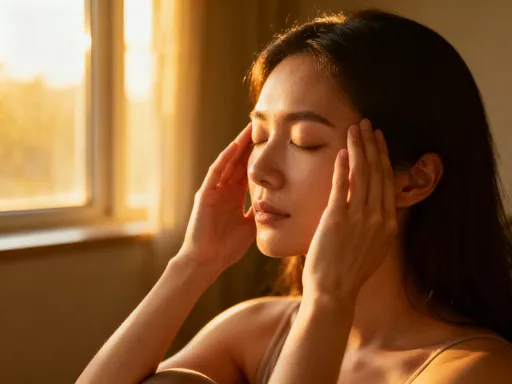
Begin by washing your hands and creating a quiet moment. As you apply each product, notice the texture, the temperature, and the way it feels on your skin. Use gentle, upward strokes, not only for their physical benefits but also as a form of self-touch that can be soothing and grounding. Focus on your breath as you massage a serum into your face or pat on moisturizer. This simple act of attention sends a message to your nervous system that you are safe, cared for, and worthy of time and tenderness.
Mindful skincare shifts the focus from fixing flaws to honoring your body. It encourages self-compassion over criticism, acceptance over perfection. You may notice that when you approach your routine this way, your skin responds more positively—not because the products have changed, but because your relationship with yourself has. This internal shift can reduce stress-related breakouts and enhance the overall appearance of your skin.
Consider lighting a candle, playing soft music, or using a facial roller to deepen the experience. These small enhancements aren’t indulgences; they’re investments in emotional well-being. Over time, this ritual becomes a sanctuary—a daily reminder that you matter, just as you are.
When to Seek Support: Knowing the Limits of Self-Care
While self-care practices can make a meaningful difference, they are not a substitute for professional support when needed. Persistent skin conditions that don’t improve with lifestyle changes may require medical evaluation by a dermatologist. Similarly, ongoing emotional distress, such as chronic anxiety, low mood, or difficulty coping, should be addressed with the help of a mental health professional. Seeking help is not a sign of weakness—it’s an act of courage and self-respect.
Some signs that it may be time to seek support include skin flare-ups that interfere with daily life, emotional patterns that feel overwhelming or unmanageable, or a sense of isolation in your struggles. Telehealth services, support groups, and therapy can provide valuable tools and guidance. Many women find that combining professional care with their self-care routines leads to the most sustainable improvements.
Remember, you don’t have to do this alone. Emotional and skin health are deeply personal, but they are also universal experiences. By reaching out, you join a growing number of women who are redefining wellness as a holistic journey—one that honors both inner and outer care.
True skin wellness starts from within. By honoring your emotional world with the same care as your skincare routine, you create lasting change—not just in how your skin looks, but in how you feel every day. This is not about achieving perfection, but about cultivating balance, resilience, and kindness toward yourself. When you treat your emotions with attention and compassion, your skin often responds with clarity, strength, and a natural glow. The journey begins with a single breath, a moment of stillness, or a gentle touch. From there, transformation becomes not only possible but deeply personal and profoundly real.