How Qigong Quietly Changed My Recovery Journey
After months of slow progress in my rehabilitation, I was stuck—until I tried qigong. It wasn’t magic, but something about the slow movements and breathwork felt different. Backed by growing scientific interest, qigong offers a gentle yet effective way to support healing. This is how I discovered its power not through bold claims, but through consistent, mindful practice that actually made a difference in my daily life. What began as a quiet experiment soon became a cornerstone of my recovery, helping me regain not just physical strength, but mental clarity and emotional balance. For anyone navigating a long-term recovery, this journey may offer insight into an often-overlooked but deeply supportive practice.
The Frustration of Slow Recovery
Rehabilitation is rarely a straight path. For many, including myself, it is marked by periods of hope followed by discouragement when progress stalls. After a prolonged period of limited mobility due to a musculoskeletal injury, I found myself caught in a cycle of physical fatigue and emotional strain. Despite following prescribed physical therapy routines and maintaining a balanced diet, my body seemed to plateau. Simple tasks like standing for more than ten minutes or climbing a flight of stairs left me drained. The frustration wasn’t just physical—it seeped into my mood, sleep, and sense of independence.
Conventional rehabilitation methods provided essential structure, but they often focused on isolated muscle groups or mechanical movements without fully addressing the broader systems involved in healing. There was little emphasis on energy regulation, nervous system balance, or mental focus—elements that, in hindsight, were clearly impacting my recovery. I began to wonder if healing required more than just repetition of exercises. Was there a way to engage the body’s innate ability to restore itself more holistically? This question led me to explore traditional approaches to wellness, particularly those rooted in Eastern medicine.
My curiosity was sparked by a conversation with a neighbor who had recovered from a stroke using a combination of physical therapy and qigong. She spoke not of dramatic breakthroughs, but of gradual, steady improvements in her balance, breathing, and overall sense of well-being. Her experience wasn’t anecdotal in isolation—research has increasingly shown that mind-body practices like qigong can play a meaningful role in long-term recovery. This realization became my turning point: perhaps healing wasn’t just about pushing harder, but about moving with greater awareness and intention.
What Exactly Is Qigong? A Science-Backed Look
Qigong (pronounced “chee-gong”) is a centuries-old practice rooted in traditional Chinese medicine that integrates coordinated body posture, gentle movement, breath regulation, and focused awareness. The term combines “qi” (life energy) and “gong” (skill cultivated through practice), suggesting a disciplined approach to enhancing the body’s vital energy. While often associated with martial arts or spiritual traditions, qigong is increasingly recognized in modern healthcare for its therapeutic potential, particularly in rehabilitation and chronic condition management.
There are two primary branches of qigong: medical qigong and martial or energetic qigong. Medical qigong is specifically designed to support healing, reduce stress, and improve physiological function. It is often used in clinical settings to complement treatments for conditions such as chronic pain, cardiovascular disease, and neurological disorders. Martial qigong, on the other hand, emphasizes strength, endurance, and internal power, typically practiced within disciplines like tai chi or kung fu. For rehabilitation purposes, medical qigong is the most relevant and accessible form, focusing on gentle, repetitive movements that promote circulation, balance, and nervous system regulation.
Modern scientific research has begun to validate what practitioners have long observed. Studies published in journals such as the Journal of Alternative and Complementary Medicine and Evidence-Based Complementary and Alternative Medicine have linked qigong practice to measurable health benefits. These include improved balance in older adults, reduced markers of inflammation, lower blood pressure, and enhanced immune function. One 2021 meta-analysis found that regular qigong practice was associated with significant reductions in anxiety and depression symptoms, particularly in individuals with chronic health conditions. These findings suggest that qigong is not merely a relaxation technique, but a physiologically active practice with real therapeutic value.
Why Qigong Works for Rehabilitation: The Physiology Behind the Practice
The effectiveness of qigong in recovery lies in its ability to engage multiple physiological systems simultaneously. Unlike high-intensity exercise, which can overwhelm an already compromised body, qigong operates at a low metabolic threshold, making it ideal for individuals in the early or intermediate stages of rehabilitation. Its slow, controlled movements enhance proprioception—the body’s ability to sense its position in space—which is crucial for rebuilding joint stability and coordination after injury or illness.
One of the most powerful aspects of qigong is its emphasis on diaphragmatic breathing. Deep, rhythmic breaths activate the parasympathetic nervous system, often referred to as the “rest-and-digest” response. This counters the overactive “fight-or-flight” state that many people in recovery experience due to chronic pain or stress. By lowering cortisol levels, diaphragmatic breathing creates a biochemical environment more conducive to tissue repair and immune function. Research from Harvard Medical School has shown that controlled breathing practices can reduce systemic inflammation, a key factor in delayed healing.
Another critical mechanism is neuroplasticity—the brain’s ability to reorganize and form new neural connections. After injury, the brain often needs to “relearn” how to control movement. Qigong supports this process through repetitive, mindful motion. Each movement is performed with deliberate attention, reinforcing neural pathways associated with balance, posture, and motor control. Over time, this mindful repetition helps the brain reintegrate disrupted movement patterns, making it particularly valuable for those recovering from neurological conditions or prolonged inactivity.
My First Steps: Starting Small Without Overwhelm
Beginning qigong felt intimidating at first. I worried that I wouldn’t be able to perform the movements correctly or that I would push myself too hard. What helped was adopting a mindset of curiosity rather than performance. I started with just five minutes a day, focusing on two foundational elements: posture and breath. I found that short, consistent sessions were more sustainable than longer, sporadic ones, especially when energy levels were low.
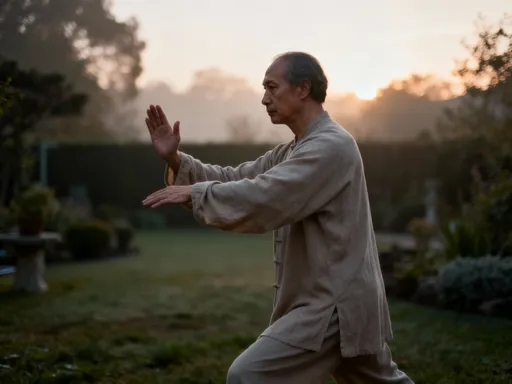
One of the first routines I learned was “Lifting the Sky,” a simple sequence where the arms rise slowly in front of the body and overhead, then lower with control. This movement encourages shoulder mobility, spinal alignment, and deep breathing. Another practice, “Separating Heaven and Earth,” involves one hand rising while the other descends, creating a gentle stretch through the torso and improving coordination. These movements may appear simple, but their effectiveness lies in the attention to detail—how the feet are positioned, how the breath syncs with motion, and how the mind stays present.
Standing meditation, or Zhan Zhuang, became another cornerstone of my practice. This involves standing still in a relaxed yet aligned posture for several minutes, focusing on breath and body awareness. While seemingly passive, it builds endurance, strengthens the legs, and cultivates mental focus. To support my learning, I used guided videos from certified instructors, many of which are available through reputable health institutions. I also kept a journal to note how I felt before and after each session, which helped me recognize subtle improvements over time. Wearable devices that track heart rate variability also provided objective feedback, showing increased nervous system coherence with consistent practice.
Tracking Real Changes: What Improved and How
After six weeks of daily qigong practice, I began to notice tangible changes. My posture improved—I stood taller without conscious effort, and my shoulders no longer rounded forward. This wasn’t just cosmetic; better alignment reduced strain on my neck and lower back, which had been persistent sources of discomfort. I also experienced increased stamina. Where I once needed to sit after standing for ten minutes, I could now remain upright for thirty or more without fatigue.
One of the most unexpected benefits was the reduction in dizziness, a symptom I had attributed to my initial injury. Over time, my balance improved significantly. I tested this by timing how long I could stand on one leg with my eyes closed—a standard assessment in vestibular rehabilitation. Initially, I could hold the position for only five seconds; after three months, I reached 25 seconds. This improvement suggested enhanced proprioception and vestibular function, both critical for fall prevention and daily mobility.
Mentally and emotionally, the shifts were just as profound. My sleep quality improved, with fewer nighttime awakenings and a greater sense of restfulness in the morning. Anxiety, which had quietly crept in during my recovery, began to ease. I felt more in control of my body and my thoughts. Objective markers supported these observations: my resting heart rate dropped from an average of 82 to 72 beats per minute, and heart rate variability increased, indicating better autonomic nervous system regulation. I also became less reliant on handrails or canes when walking, a sign of growing confidence and physical integration.
Integrating Qigong Into a Broader Rehab Plan
It’s important to emphasize that qigong is not a replacement for conventional medical care or physical therapy. Instead, it functions best as a complementary practice. In my case, qigong enhanced the benefits of my physical therapy sessions by improving my body awareness and reducing muscle tension, making it easier to perform prescribed exercises with proper form. My physical therapist noticed improved coordination and was supportive of incorporating qigong into my routine.
Integrating qigong into a broader recovery plan requires open communication with healthcare providers. I made sure to discuss my practice with my doctor, who reviewed the movements to ensure they were safe for my condition. Setting realistic expectations was also key—qigong is not a quick fix, but a gradual, cumulative process. My provider appreciated that I was taking an active role in my recovery while staying within evidence-based guidelines.
Beyond physical therapy, I combined qigong with other wellness practices known to support healing. Moderate aerobic exercise, such as walking or cycling, helped maintain cardiovascular health. A nutrient-rich diet focused on anti-inflammatory foods like leafy greens, fatty fish, and whole grains supported tissue repair. Consistent sleep hygiene, including a regular bedtime and screen-free evenings, further enhanced recovery. Qigong served as the anchor that tied these elements together, creating a cohesive, sustainable routine centered on mindfulness and self-care.
Common Misconceptions and How to Practice Safely
Despite its growing recognition, qigong is often misunderstood. One common myth is that it’s “just slow exercise” with no real physiological impact. However, research shows that the combination of movement, breath, and mental focus produces measurable changes in nervous system function, hormone levels, and motor control. Another misconception is that qigong is only for older adults or those with limited mobility. While it is accessible to people of all ages and abilities, it is also practiced by athletes and healthcare professionals seeking to enhance performance and resilience.
Some assume qigong is inherently spiritual or religious, but it can be practiced in a completely secular, science-based context. The focus can be purely on biomechanics, breath regulation, and cognitive engagement without any metaphysical elements. This flexibility makes it suitable for a wide range of individuals, including those who prefer evidence-based approaches.
Safety is paramount, especially during recovery. Movements should be adapted to individual capabilities—for example, practicing seated instead of standing if balance is an issue. It’s essential to avoid strain, move within a comfortable range of motion, and stop if pain occurs. Beginners should start with certified instructors or reputable video resources to ensure proper technique. The goal is not intensity, but consistency. Five minutes of mindful practice every day is far more beneficial than an hour-long session once a week. This principle of “less but often” supports long-term adherence and sustainable progress.
Conclusion: A Sustainable Path to Lasting Recovery
Looking back, qigong didn’t transform my recovery overnight. Its power lies in its quiet, cumulative effect—a daily investment in the body’s ability to heal. What began as a search for relief from physical limitations evolved into a holistic practice that nurtured my mind, body, and sense of agency. It taught me that healing is not just about fixing what’s broken, but about cultivating resilience, awareness, and balance.
For others navigating a recovery journey, qigong offers a gentle yet powerful tool that complements conventional care. It is not a cure-all, but a supportive practice grounded in both tradition and science. By integrating mindful movement and breath into daily life, individuals can create a sustainable foundation for long-term wellness. The beauty of qigong is its accessibility—it requires no special equipment, can be adapted to any ability level, and fits seamlessly into a home routine.
As with any new wellness practice, it’s essential to consult with qualified healthcare professionals before beginning, especially for those with chronic conditions or recent injuries. Qigong should be viewed as part of a comprehensive, individualized recovery strategy, not a standalone treatment. But for those willing to approach it with patience and openness, it may offer more than just physical improvement—it may offer a renewed sense of connection to one’s body and a deeper commitment to self-care. In the quiet moments of practice, I found not just recovery, but a lasting sense of peace.