How Massage Therapy Transformed My Daily Routine — And Can for You Too
For years, I dismissed massage as just a luxury — until chronic tension and restless nights pushed me to try it weekly. What started as pain relief became a lifestyle shift. I discovered massage isn’t just about relaxation; it’s a powerful tool that supports better sleep, reduces daily stress, and improves body awareness. This is not medical advice, but my real journey of weaving therapeutic touch into everyday life — safely, consistently, and effectively.
The Wake-Up Call: When My Body Said "Enough"
It started slowly, as these things often do. At first, it was just a stiff neck after long days at the computer. Then came the dull ache between my shoulder blades that no amount of stretching seemed to ease. I’d wake up with tight jaws and a sense of heaviness, as if my body were carrying a weight I couldn’t see. My energy dipped by mid-afternoon, and no amount of coffee helped. I blamed aging, stress, or just being "busy," but deep down, I knew something had to change.
My daily routine was typical of many women in their thirties and beyond: hours spent at a desk, frequent phone use, multitasking between family, work, and home. Posture slipped without notice. Shoulders crept forward, the head jutted ahead of the spine, and the lower back bore the strain. I wasn’t injured, but I wasn’t well, either. The breaking point came one evening when I couldn’t turn my head to check the rearview mirror while driving. That moment of limitation — so small, yet so alarming — made me realize my body had been sending warnings for months.
It wasn’t dramatic pain, but a persistent discomfort that dulled my days and disrupted my nights. Sleep became restless, my mind racing even as my body ached for rest. I began to understand that physical strain wasn’t just a side effect of modern life — it was a signal. And I decided to respond not with another over-the-counter remedy, but with a commitment to listen. That’s when I scheduled my first therapeutic massage with the intention of healing, not indulging.
What Massage Therapy Really Is (And What It’s Not)
Before that first session, I realized I had misconceptions about what massage therapy actually involved. I associated it with spa days, scented oils, and soft music — pleasant, yes, but not necessarily "serious" healthcare. What I learned is that therapeutic massage is far more structured and intentional than I had assumed. It’s the use of specific touch techniques to support muscle health, improve circulation, and calm the nervous system. It’s guided by training, not guesswork, and delivered by licensed professionals who understand anatomy and physiology.
Massage therapy is not a cure-all, nor is it meant to replace medical treatment. It does not diagnose conditions or claim to eliminate chronic diseases. What it does offer is a complementary approach to wellness — one that works alongside medical care, physical therapy, and healthy lifestyle choices. A skilled therapist doesn’t just press on sore spots; they assess patterns of tension, identify areas of restriction, and apply appropriate pressure and movement to encourage the body’s natural healing processes.
There are several common types of massage, each serving different needs. Swedish massage uses long, flowing strokes and is often recommended for relaxation and improved circulation. Deep tissue massage targets deeper layers of muscle and connective tissue, useful for chronic tension or repetitive strain. Myofascial release focuses on the connective tissue surrounding muscles, helping to relieve restrictions that contribute to pain and limited mobility. None of these are "one-size-fits-all," and a good therapist will tailor the session to individual needs.
Perhaps the most important shift in my understanding was realizing that massage is not about enduring pain to "get results." Effective therapy should never cause bruising, sharp pain, or discomfort that lingers for days. Communication is key — a responsible therapist will check in, adjust pressure, and respect personal boundaries. Over time, I learned to differentiate between productive sensation and harmful pain, and to speak up when something didn’t feel right.
Why Your Lifestyle Needs More Than Just Exercise and Diet
We’re often told that health comes down to two pillars: what we eat and how much we move. While nutrition and physical activity are undeniably important, they don’t address the full picture of modern physical strain. Many of us spend hours sitting — at desks, in cars, on couches — with our heads bent toward screens. This posture, repeated day after day, creates subtle but significant imbalances. Muscles in the chest shorten, those in the upper back weaken, and the neck bears unnatural loads. The body adapts, but adaptation isn’t always healthy.
What’s often overlooked is how mental and emotional stress translates into physical tension. When we’re anxious or overwhelmed, our muscles unconsciously tighten — the shoulders rise, the jaw clenches, the breath becomes shallow. Over time, this state becomes the norm, even when we’re not actively stressed. The body holds onto these patterns, storing them in the muscles like silent records of our daily pressures. This is where massage becomes more than a physical intervention; it’s a way of releasing what the body has been holding onto.
The mind-body connection is real and measurable. Chronic muscle tension can contribute to headaches, fatigue, and even disrupted sleep. When muscles are tight, circulation slows, and the nervous system remains in a heightened state, making it harder to relax or recover. Massage helps interrupt this cycle by stimulating the parasympathetic nervous system — the part responsible for rest and repair. It signals the body that it’s safe to let go, allowing muscles to soften and the mind to follow.
Just as we prioritize hydration, movement, and sleep, we should consider therapeutic touch as part of a balanced lifestyle. It’s not about adding one more task to an already full schedule, but about recognizing that our bodies need more than just fuel and fitness. They need release, attention, and care. Massage offers a way to address the hidden toll of modern living — the kind of strain that doesn’t show up on blood tests but is felt in every movement.
How I Built a Realistic Massage Routine (Without Breaking the Bank)
When I first considered making massage a regular part of my life, cost was a major concern. Weekly sessions at spa rates felt out of reach, especially as a working mother managing a household budget. But I realized that consistency mattered more than frequency. Instead of aiming for perfection, I started with one session per month — a manageable commitment that still allowed me to observe changes over time.
I also learned to distinguish between spa environments and clinical massage therapy settings. While spas offer comfort and ambiance, many licensed therapists work in wellness centers, chiropractic offices, or private practices where rates are more affordable. I looked for providers who accepted partial reimbursement through flexible spending accounts (FSAs) or health savings accounts (HSAs), which helped offset costs. Some offered package deals or sliding scale fees based on income, making regular care more accessible.
Finding the right therapist was just as important as finding the right price. I sought out licensed professionals with training in therapeutic techniques, not just relaxation massage. During the first session, I communicated openly about my goals — reducing neck and shoulder tension, improving sleep, and increasing body awareness. A good therapist listened, asked questions, and adjusted their approach accordingly. Over time, we developed a rhythm that worked for my needs.
Between professional sessions, I incorporated simple self-care practices at home. A foam roller helped release tension in my back and legs. A handheld massage tool provided targeted relief for tight shoulders. I learned basic self-massage techniques for the neck and feet, using gentle pressure and slow movements. My partner and I even practiced simple partner massage — a few minutes of shoulder rubs in the evening became a bonding ritual that also eased daily strain.
Stretching became part of my daily routine, not as a chore, but as a way to maintain the benefits of massage. I focused on areas prone to tightness: chest openers, neck stretches, and gentle spinal twists. These small efforts, done consistently, made a noticeable difference. The key was not intensity, but regularity. Just as brushing your teeth prevents cavities, regular body care prevents the buildup of tension that leads to discomfort.
Surprising Benefits I Didn’t Expect
The initial goal was simple: relieve pain and improve sleep. But as months passed, I noticed other changes — subtle at first, then impossible to ignore. My sleep deepened, not just in duration but in quality. I woke fewer times during the night and felt more rested in the morning. The tension headaches that used to plague me once or twice a week became rare, sometimes disappearing for weeks at a time.
One of the most unexpected shifts was in my body awareness. I began to notice tension before it turned into pain. A slight tightness in my shoulders, a hint of jaw clenching — these became early warning signs I could address with a stretch, a breathing exercise, or a brief self-massage. This increased body literacy empowered me to take action before discomfort escalated. I was no longer waiting for pain to act; I was learning to listen.
Emotionally, I felt calmer and more grounded. I didn’t realize how much tension I was carrying mentally until it began to dissolve. I found myself reacting less to minor frustrations — a delayed appointment, a spilled drink, a missed deadline. My breathing felt easier, my thoughts clearer. It wasn’t that life had become less stressful, but my body’s response to stress had changed. I was less reactive, more resilient.
Posture improved gradually. I caught myself sitting upright more often, not out of effort, but because my muscles were no longer pulling me forward. My clothes fit differently; I stood taller. Friends and family noticed, commenting on how I seemed "lighter" or "more relaxed." These changes weren’t dramatic transformations, but quiet improvements that added up to a better quality of life.
Integrating Massage Into Everyday Habits
Massage didn’t just relieve symptoms — it inspired broader changes in how I cared for myself. I became more attentive to my workspace setup, adjusting my chair, monitor height, and keyboard position to support better posture. I started taking short movement breaks every hour, standing up, stretching, or walking around the house. These small shifts, once overlooked, became part of a new routine built around body awareness.
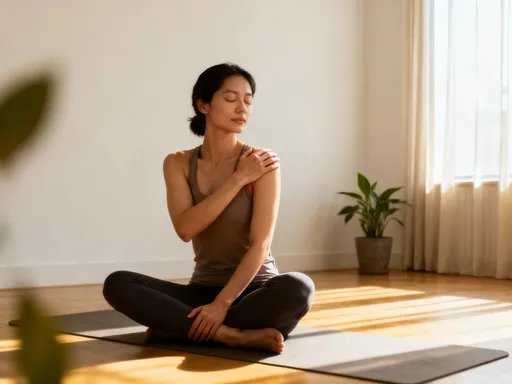
I also began to connect massage with mindfulness. The quiet focus of a session — the attention to breath, the sensation of touch, the release of tension — felt like a form of meditation. I carried that awareness into daily life, checking in with my body throughout the day. Am I holding tension? Is my jaw tight? Are my shoulders up by my ears? These moments of reflection helped me stay present and responsive to my physical needs.
I started pairing massage with other healthy habits. On the evening after a session, I’d take a warm bath, drink herbal tea, and avoid screens to extend the sense of calm. I used the day of my appointment as a "reset" — a chance to recommit to healthy choices. Over time, massage became less of an isolated treatment and more of a cornerstone in a holistic approach to well-being.
Weekly self-check-ins became part of my routine. I’d spend five minutes scanning my body for areas of tightness, noting any changes. This practice helped me recognize patterns — for example, increased shoulder tension during busy work weeks, or jaw tightness during family conflicts. By identifying these triggers, I could take preventive steps, whether through self-care, communication, or stress management techniques.
A Realistic, Sustainable Approach — Not a Quick Fix
One of the most important lessons I’ve learned is that massage is not a quick fix. The benefits build gradually, like interest in a savings account. There were times I expected immediate results and felt discouraged when changes took weeks or months to appear. But with consistency, the cumulative effect became undeniable. It’s not about rescuing the body from crisis, but about preventing strain from accumulating in the first place.
At the same time, I’ve learned not to rely on massage as the only solution. It’s one piece of a larger wellness puzzle that includes movement, nutrition, sleep, and emotional health. No amount of massage can compensate for chronic sleep deprivation or prolonged stress. It works best when integrated into a balanced lifestyle, not as a substitute for other healthy habits.
I also want to emphasize the importance of consulting a healthcare provider before starting massage therapy, especially for those with existing medical conditions such as blood clots, osteoporosis, or recent surgeries. While massage is safe for most people, certain conditions require modifications or medical clearance. A responsible therapist will ask about health history and adapt the session accordingly, but it’s essential to be open and honest about any concerns.
Treating your body with care isn’t indulgent — it’s necessary. For years, I treated massage as a reward for "good behavior," something to earn after checking off all my responsibilities. Now I see it differently. It’s not a luxury; it’s a form of maintenance, like oiling the hinges of a door to keep it moving smoothly. When we care for our bodies, we’re better able to care for our families, our work, and ourselves. Massage became more than a therapy — it became a daily commitment to living with greater ease, awareness, and balance.