How I Tamed My Blood Pressure Without Pills – A Real Lifestyle Shift
High blood pressure crept up on me quietly—no symptoms, just a scary number at my check-up. I didn’t want to rely on medication, so I dug into real, science-backed changes. What I discovered wasn’t magic, but a consistent, step-by-step lifestyle overhaul. This is how I took control naturally, one habit at a time—no extremes, just sustainable shifts that actually work.
The Wake-Up Call: Recognizing the Silent Risk
It happened during a routine physical exam. I walked in feeling perfectly fine, expecting nothing more than a quick update to my medical records. But when the nurse repeated the blood pressure reading—148 over 94—I felt a cold ripple run down my spine. That number wasn’t just high; it was solidly in the hypertension range. The doctor didn’t panic, but her tone shifted. She explained that I was now at increased risk for heart disease and stroke, even though I felt completely healthy. That moment was my wake-up call: high blood pressure doesn’t send warning signals. It’s called the “silent killer” for a reason.
For weeks, I tried to dismiss it. I told myself it was a fluke—maybe I’d had too much coffee that morning, or I was nervous in the clinic. But when I checked again at a pharmacy kiosk and saw similar results, denial wasn’t an option. I began reading studies from trusted medical sources like the American Heart Association and the Mayo Clinic. What I learned was sobering: nearly half of adults in the United States live with high blood pressure, and many don’t know it. The condition contributes to over 600,000 deaths annually, often because it goes undetected until serious damage occurs.
Another misconception I had to unlearn was that hypertension only affects older men or people with obvious health problems. The truth is, it can develop at any age and is increasingly common among women in midlife, especially those managing stress, hormonal changes, and busy family schedules. I wasn’t overweight, didn’t smoke, and considered myself fairly active—yet there I was, facing a serious health risk. That realization shifted my mindset. Instead of fearing the diagnosis, I chose to see it as an opportunity. If lifestyle played a role in getting me here, then lifestyle changes could help me get back on track.
Understanding Blood Pressure: What the Numbers Really Mean
Before I could change anything, I needed to understand what blood pressure actually measures. Many people hear the numbers—like 120 over 80—but don’t fully grasp what they represent. In simple terms, systolic pressure (the top number) reflects the force your heart exerts when it beats, pushing blood through your arteries. Diastolic pressure (the bottom number) measures the pressure in your arteries when your heart rests between beats. Both numbers matter, and both provide insight into the health of your cardiovascular system.
According to guidelines from the American College of Cardiology and the American Heart Association, normal blood pressure is below 120/80 mm Hg. Elevated blood pressure starts at 120–129 over less than 80. Stage 1 hypertension is 130–139 over 80–89, and Stage 2 begins at 140/90 or higher. These thresholds aren’t arbitrary—they’re based on years of research linking specific pressure levels to increased risks of heart attack, stroke, and kidney disease. What surprised me was how even small increases above the normal range can have long-term consequences.
Think of your arteries like garden hoses. When water flows through at moderate pressure, the hose remains flexible and intact. But if the pressure is constantly too high, the hose weakens over time, developing cracks or bulges. Similarly, high blood pressure damages the inner lining of your arteries, making them stiffer and more prone to plaque buildup. This forces your heart to work harder, which over time can lead to thickening of the heart muscle and reduced pumping efficiency. The damage is often silent, accumulating over years without noticeable symptoms—until a crisis occurs.
The good news? Blood pressure is responsive to daily habits. Unlike some health conditions that progress regardless of behavior, hypertension can be influenced by what you eat, how you move, and how well you sleep. That means you’re not powerless. By understanding the mechanics behind the numbers, I began to see my blood pressure not as a life sentence, but as a feedback system—one that responds to the choices I make every day.
Diet as a Daily Prescription: Eating to Lower Pressure
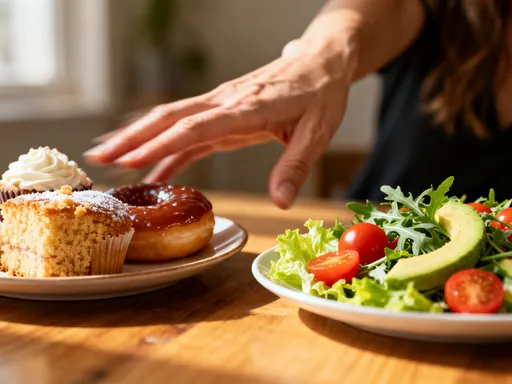
If there’s one area where I saw the most immediate impact, it was my diet. I didn’t go on a restrictive plan or eliminate entire food groups. Instead, I adopted principles from the DASH diet—Dietary Approaches to Stop Hypertension—a plan developed through National Institutes of Health research and consistently ranked among the best diets by nutrition experts. The core idea isn’t about deprivation; it’s about balance, whole foods, and reducing processed ingredients that sabotage vascular health.
The biggest change was cutting back on sodium. Most Americans consume far more salt than recommended—often over 3,400 milligrams daily, while the ideal limit is no more than 2,300, and ideally closer to 1,500 for those with elevated pressure. The problem isn’t usually the salt shaker on the table; it’s the hidden sodium in packaged foods. Canned soups, frozen meals, bread, and even breakfast cereals can be loaded with salt. I started reading nutrition labels and was shocked to find that some “healthy” snacks contained more sodium than a serving of potato chips. I switched to low-sodium versions of my favorite foods and began cooking more meals from scratch, where I could control the ingredients.
At the same time, I increased my intake of potassium-rich foods. Potassium helps balance sodium levels in the body and eases tension in blood vessel walls. Bananas are well known for their potassium, but so are spinach, sweet potatoes, beans, tomatoes, oranges, and avocados. I started adding leafy greens to my morning smoothies, snacking on fruit, and including beans in salads and soups. These weren’t drastic changes—just small additions that gradually shifted my overall nutrient profile.
Meal planning made a difference too. For breakfast, I swapped sugary cereals for oatmeal topped with berries and a sprinkle of nuts. Lunch often became a large salad with grilled chicken, chickpeas, and a homemade vinaigrette. Dinner focused on lean proteins, plenty of vegetables, and whole grains like quinoa or brown rice. I didn’t eliminate flavor—herbs, spices, lemon juice, and garlic became my new seasoning toolkit. Over time, my taste buds adjusted. Foods that once seemed bland now tasted rich and satisfying. After three months, my systolic pressure had dropped by 10 points—proof that what I put on my plate mattered more than I’d ever realized.
Movement That Fits: Building Activity Into a Busy Life
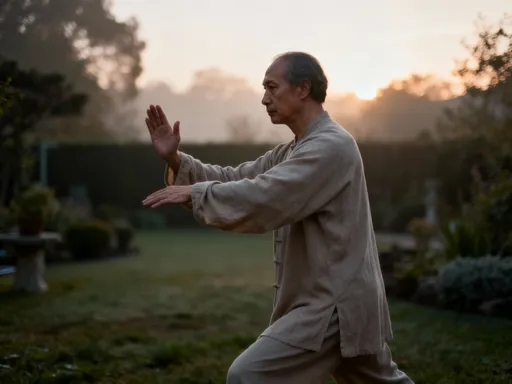
Exercise used to feel like another chore—something I’d get to “when I had time.” But once I reframed physical activity as a non-negotiable part of my health, everything changed. I learned that regular movement acts like a natural beta-blocker, helping the heart pump more efficiently and reducing tension in blood vessels. The goal isn’t marathon training or intense gym sessions. In fact, research shows that moderate, consistent activity is often more effective for long-term blood pressure control than sporadic bursts of intensity.
I started small. Instead of aiming for 30 minutes a day right away, I began with 10-minute walks after meals. I parked farther from store entrances, took the stairs instead of the elevator, and did gentle stretches while watching the evening news. These micro-movements added up. Within a few weeks, I was walking 20 to 30 minutes most days, often while listening to podcasts or calling a friend. The key was consistency, not speed or distance. I wasn’t trying to burn calories—I was training my heart to work more efficiently.
Finding enjoyable movement made all the difference. I rediscovered how much I loved gardening—bending, pulling weeds, planting flowers—all of which count as physical activity. On weekends, I danced with my kids in the living room or took family walks in the park. I didn’t need special equipment or a gym membership. What mattered was keeping my body in motion throughout the day. Even simple desk stretches—shoulder rolls, neck tilts, ankle circles—helped break up long periods of sitting, which is independently linked to higher blood pressure.
To track progress, I didn’t rely on fitness trackers or apps. Instead, I kept a simple journal where I noted how many days I moved and for how long. Seeing a streak of activity built motivation. After six weeks, my average resting heart rate had decreased, and my energy levels improved. My doctor noticed too—my blood pressure readings were steadily trending downward. Movement wasn’t just changing my numbers; it was changing how I felt in my body.
Stress and Sleep: The Hidden Triggers Most Ignore
Of all the factors I adjusted, stress and sleep were the most surprising. I didn’t think of myself as particularly stressed, but when I started paying attention, I realized how often I operated in low-grade survival mode—rushing from task to task, checking emails late at night, and carrying tension in my shoulders. Chronic stress keeps the body in a constant state of alert, triggering the release of hormones like cortisol and adrenaline, which constrict blood vessels and raise heart rate. Over time, this contributes directly to elevated blood pressure.
I began experimenting with simple breathing techniques. One method I found effective was box breathing: inhale for four counts, hold for four, exhale for four, hold for four. I practiced this for just two minutes at my desk or before bed. It wasn’t meditation in the traditional sense—no cushions or mantras—just focused breathing to reset my nervous system. Within days, I noticed I felt calmer and reacted more slowly to minor frustrations. I also started taking five-minute “pause breaks” during the day—stepping outside, sipping tea, or simply closing my eyes and breathing deeply.
Sleep turned out to be equally important. I used to stay up late finishing chores or scrolling through my phone, thinking I’d “catch up” on rest later. But research shows that consistently sleeping fewer than six hours a night is linked to higher blood pressure. Aim for seven to eight hours, and prioritize quality. I created a wind-down routine: turning off screens by 9 p.m., reading a book, and using a dim lamp. I kept my bedroom cool and quiet, and avoided caffeine after noon. Within a few weeks, I fell asleep faster and woke up feeling more refreshed.
Together, better sleep and stress management created a powerful synergy. On nights I slept well, I had more energy to cook healthy meals and stay active. On days I managed stress, I made better food choices and resisted emotional eating. These invisible habits—no one sees you breathe or sleep—were quietly transforming my health from the inside out.
The Role of Weight, Alcohol, and Habits
While I wasn’t significantly overweight, my doctor pointed out that losing even 5 to 10 pounds could make a measurable difference in my blood pressure. For every 2.2 pounds lost, systolic pressure can drop by about 1 mm Hg. That might not sound like much, but over time, it adds up. I didn’t pursue rapid weight loss or fad diets. Instead, I focused on sustainable changes: smaller portion sizes, mindful eating, and reducing late-night snacking.
One habit I had to confront was evening snacking. After dinner, I’d often find myself in the kitchen, not because I was hungry, but because I was bored or stressed. I replaced this with herbal tea, a piece of fruit, or a short walk around the block. I also started drinking more water throughout the day, which helped reduce false hunger signals. These small shifts led to a gradual weight loss of about eight pounds over four months—enough to see a noticeable improvement in my readings.
Alcohol was another factor. I enjoyed a glass of wine with dinner, but I learned that even moderate drinking can raise blood pressure. For women, the recommended limit is no more than one drink per day. I decided to cut back to three or four days a week and switched to lower-alcohol options on occasion. I also began tracking how I felt on days I drank—often more restless at night and slightly more anxious the next morning. Reducing alcohol didn’t just help my blood pressure; it improved my sleep and mood.
The biggest lesson was that small, lasting changes are more effective than drastic, short-term fixes. I didn’t need to overhaul my life overnight. What mattered was consistency—making better choices most of the time, not perfection. Over time, these habits became automatic, part of my daily rhythm rather than a burden.
Putting It All Together: A Sustainable, Systematic Approach
After several months, I began to see how all these pieces fit together. Diet, movement, sleep, stress management, and mindful habits weren’t isolated strategies—they formed a system. When I ate well, I had more energy to move. When I slept better, I craved healthier foods. When I managed stress, I made wiser choices across the board. It wasn’t about willpower; it was about creating an environment where healthy choices became the default.
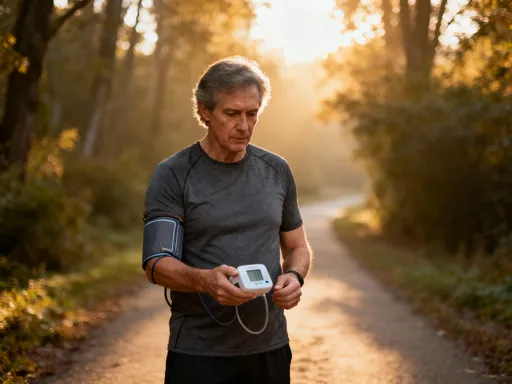
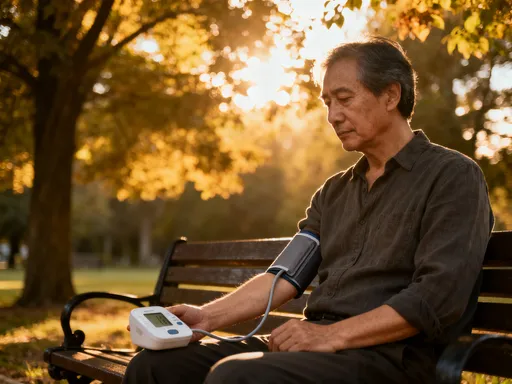
I started monitoring my blood pressure at home using a digital cuff, testing at the same time each morning. This gave me real-time feedback and helped me identify patterns—like how a poor night’s sleep or a salty meal could temporarily raise my numbers. I shared these logs with my doctor, who appreciated the data and adjusted her recommendations accordingly. Regular check-ins kept me accountable and ensured I wasn’t overlooking anything.
There were moments when progress stalled, and I felt discouraged. Blood pressure doesn’t always move in a straight line. Stressful weeks, holidays, or travel could cause temporary spikes. But I learned to view these not as failures, but as information. Each fluctuation taught me something about my body and habits. Staying motivated meant focusing on how I felt—more energy, better sleep, less anxiety—rather than just the numbers on the screen.
This journey wasn’t about curing hypertension. It was about committing to a lifestyle that supports long-term cardiovascular health. I still see my doctor regularly and follow medical advice. But now, I’m an active participant in my care, not just a passive recipient. The changes I’ve made aren’t temporary fixes—they’re a new way of living.